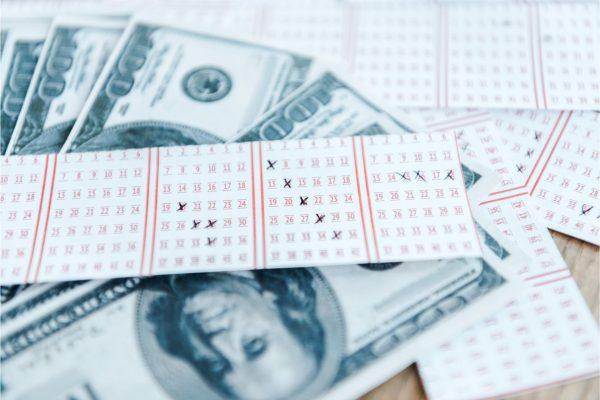
The Powerball jackpot has climbed to an estimated $975 million ahead of the Wednesday, August 12, 2026 drawing, and across the country—from Miami to Los Angeles to Chicago—people are buying tickets and dreaming. But the headline number is not what a winner actually pockets. Between the lump sum reduction and federal and state taxes, the final amount is a fraction of the advertised prize.
The lump sum reality check
Most winners choose the immediate cash option rather than 30 annual payments. For this jackpot, the cash value is about $422.4 million. The IRS automatically withholds 24% of that, leaving roughly $321 million. Then, when tax season arrives, the top federal income tax rate of 37% applies, bringing the net payout down to approximately $266.1 million.
That’s still a life-changing sum, but it’s a far cry from $975 million. And for winners in high-tax states, the hit is even harder. New York, for example, levies state taxes up to 10.9% on lottery winnings, pushing the combined rate to nearly 48% and reducing the lump sum to about $220.1 million.
State taxes and the cost of living large
Where you live matters enormously. States like Florida and Texas have no state income tax, which is why many financial advisers recommend establishing residency there before claiming. But even in tax-friendly states, the real estate trap is real. Buying a mansion in Malibu or Miami Beach might seem like the ultimate reward, but property taxes can exceed $400,000 a year, and insurance premiums—especially in climate-risk zones—can top $150,000 annually.
As one wealth manager put it, “The prize is not the ticket; it’s the planning.” Winners who rush into luxury purchases often find themselves with assets that drain cash faster than they generate joy.
Protecting the windfall
Financial planners urge winners to assemble a team immediately: a certified public accountant, a tax attorney, and a risk manager. Setting up a dynasty trust can shield assets from lawsuits and help with estate planning. Many experts also recommend renting for the first year or two, giving time for tax strategies to solidify before committing to high-maintenance properties.
This kind of windfall can also widen the wealth gap, as the rich get richer while many families struggle. For Latino communities, where food aid cuts have hit hard, a jackpot like this is a rare shot at generational wealth—but only if managed wisely.
Winners should also consider the broader economic context. With federal investments flowing into tech hubs, real estate in places like California may appreciate, but so do taxes. And while luxury homes sometimes drop in price, the carrying costs rarely do.
In the end, the Powerball dream is real, but the math is unforgiving. A $975 million jackpot can become $266 million—or less—before you spend a single dollar. The smartest move is to slow down, get expert advice, and think long-term. For many, that’s the real winning ticket.