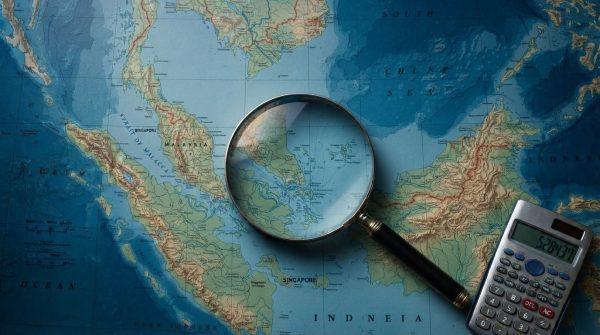
When it comes to the world's highest-paid heads of government, Singapore's Prime Minister Lawrence Wong stands alone at the top. His annual salary of approximately 2.85 million USD surpasses the combined earnings of leaders from six major world powers, including the President of the United States and the Prime Ministers of Canada, Switzerland, Australia, South Korea, and New Zealand.
Wong, who leads a nation of just under six million people, recently received a 64% pay increase, boosting his package from 2.2 million SGD to 3.6 million SGD. The adjustment, which took effect after a 15-year freeze on ministerial salaries, was part of a broader restructuring of executive compensation in Singapore's government.
Why Singapore Pays Its Leader So Much
Government officials defend the raise as necessary to attract top talent from the private sector into public service. The salary formula is tied to the earnings of the country's 1,000 highest-paid citizens, with a 40% discount applied to reflect the sacrifices of public office. This approach, they argue, ensures that Singapore's leaders are compensated competitively, reducing the risk of corruption and maintaining high governance standards.
In a parliamentary address, Wong acknowledged the sensitivity of the issue, stating that "nobody can evade an issue simply because it proves politically complicated." He also announced that he would donate the increment of his salary to charitable organizations during his first five years in office, a move aimed at mitigating public criticism.
However, the raise has sparked debate among citizens. According to Singapore's Department of Statistics, the median monthly gross income for full-time resident employees is 5,775 SGD—a stark contrast to the Prime Minister's annual package. Critics question the widening gap between the nation's leaders and its workers, while supporters point to the need for competitive pay to ensure effective governance.
This story resonates beyond Singapore, touching on themes of income inequality and public sector compensation that are relevant across the Americas. For Latino audiences, it echoes discussions about leadership and economic disparity in countries like México, Argentina, and Chile, where public officials' salaries often become flashpoints for broader social debates.
As global attention turns to the concentration of wealth among political elites, Singapore's approach offers a unique case study. While some see it as a pragmatic solution to attract talent, others view it as a symbol of the disconnect between rulers and the ruled. For now, Lawrence Wong remains the world's highest-paid leader, a title that carries both prestige and controversy.
For more on how wealth and power intersect in the Americas, check out our coverage of Latino leaders making a difference and the new generation of millionaires reshaping luxury.