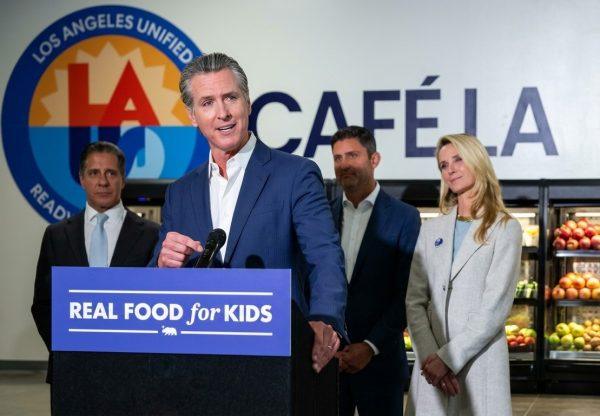
California is taking a historic step to transform what kids eat at school. Governor Gavin Newsom signed Senate Bill 172 in July 2026, making the state's Farm to School program a permanent part of the educational system. This isn't just about healthier lunches—it's about connecting students with local farms, boosting regional economies, and teaching a new generation about where food comes from.
A lasting commitment to student nutrition
Since 2021, California has invested $86 million in 375 projects through competitive grants, reaching 49% of public school students. The new law secures ongoing funding starting in the 2026-27 fiscal year, ensuring that schools can build the infrastructure needed to serve fresh, minimally processed meals. This includes kitchen upgrades, equipment, and training for food service staff.
“This is about more than just feeding kids—it's about investing in their future and supporting our local farmers,” said a spokesperson from the Governor's Office. The program prioritizes sourcing from small, medium, and socially disadvantaged producers who use organic, regenerative, and climate-smart practices.
Economic and community benefits
The impact goes beyond the cafeteria. Every dollar invested in the program generates $2.10 in local economic activity, according to official analyses. And with 80% of participating schools being Title 1, the program is reaching students who need it most, helping to close nutritional gaps in vulnerable communities.
“This is a win-win,” said a representative from the California Department of Food and Agriculture. “Students get fresh, healthy meals, and local farmers gain a reliable market.” The Farm to Fork Office will coordinate technical assistance to keep the supply chain seamless from field to school.
Learning through food
Schools are also integrating hands-on learning experiences, like school gardens and farm visits, into their curricula. Students are not only eating better—they're learning about nutrition, environmental stewardship, and their cultural food traditions. This approach resonates deeply with Latino communities, where food is often central to family and identity.
“Our kids are learning that a tortilla can be both delicious and nutritious,” said a teacher in Los Angeles. “They're connecting with their roots and making healthier choices.”
Food insecurity remains a pressing issue, with organizations like Feeding America warning that vulnerable populations are disproportionately affected. By making Farm to School permanent, California is taking a bold step to combat childhood hunger and promote equity.
As the program expands, it will also help mitigate the effects of climate change by supporting sustainable farming practices. This is a model that other states could look to, especially as cost of living concerns continue to impact families across the country.
For Latino families, who often face higher rates of food insecurity, this law is a significant victory. It ensures that children, regardless of their background, have access to meals that honor their heritage and nourish their bodies.
With this new law, California is not just changing school menus—it's changing the future of food for millions of students.