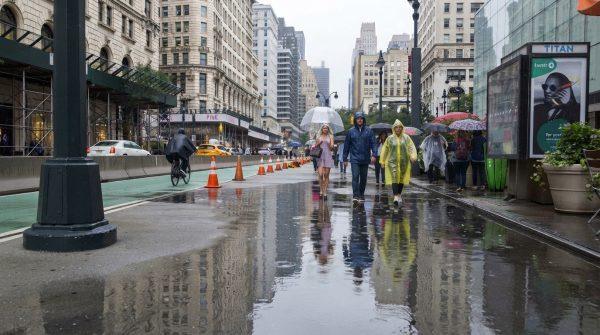
New York City is bracing for a classic nor'easter this weekend, with coastal flood alerts already in effect for vulnerable waterfront neighborhoods. The storm, which began intensifying Friday night, is expected to bring sustained winds up to 40 mph and rainfall totals approaching 1.5 inches through Sunday. For many in the Rockaways, Jamaica Bay, and other low-lying areas, this is a familiar and unwelcome pattern.
Mayor Zohran Mamdani and the New York City Emergency Management department are closely monitoring the system. Official bulletins confirm that coastal flood alerts remain active for Queens South, Brooklyn, and the East Coast of Staten Island, valid from Thursday night, Sept. 24, through Friday morning, Sept. 25. Specialized teams are conducting continuous monitoring in two major waterfront zones, including the Rockaways and Jamaica Bay, where the risk of storm surge and tidal flooding is highest.
What residents need to know
For families in flood-prone areas, preparation is key. City officials are urging residents to secure loose outdoor furniture, grills, and other items that could become projectiles in high winds. Those living in basement apartments should review their evacuation routes now, before the worst of the storm hits. The message is clear: don't wait until the water rises to make a plan.
Transportation networks are also on high alert. Submerged roadways are a serious hazard, and drivers are advised to avoid standing water entirely. "Turn around, don't drown" is more than a slogan—it's a life-saving rule. Pedestrians should never attempt to cross flooded intersections or walk near turbulent waterfront zones, where currents can be deceptively strong.
Parks and recreational areas are another concern. NYC Parks has restricted public access to more than 100 coastal recreational zones, and public beaches are closed since the official end of the summer season on Sunday, Sept. 13. Lifeguards are no longer on duty, so even a casual stroll along the shore can be risky. Respect the barriers and stay away from the water's edge.
Community preparedness and resources
Neighborhood associations are distributing emergency preparedness checklists to help households secure balconies, rooftops, and yards. Community centers are offering practical guidance on evacuation routes, and local authorities are providing vital materials in high-risk districts. The city's robust response framework includes real-time updates via text: residents can text NOTIFYNYC to 692-692 for alerts, call 311 for non-urgent assistance, or 911 for immediate danger.
This storm is a reminder that coastal communities across the region face growing risks from extreme weather. As we've seen with California's coastal erosion challenges and the broader Pacific hurricane threats, the intersection of climate change and urban infrastructure is a pressing issue. For New Yorkers, this weekend's nor'easter is another test of resilience.
Stay informed, stay safe, and look out for your neighbors. As the storm passes, the city will assess the damage and begin the recovery process. But for now, the priority is simple: keep everyone out of harm's way.