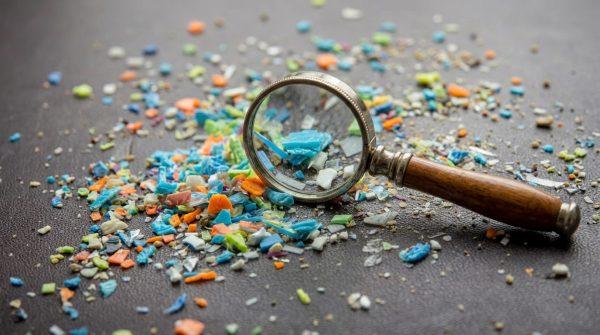
New Jersey is weighing a pioneering measure that could pull synthetic chewing gum from store shelves across the state. The proposed Microplastic Protection Act, reported by NJ.com, responds to research showing that chewing popular gum brands releases microscopic plastic particles into the body within minutes of chewing. Lawmakers in Trenton argue that the bill is a necessary step to curb the health risks of microplastics, which have been linked to tissue damage and organ contamination.
The legislation would grant $3 million to the New Jersey Department of Environmental Protection to enforce new disclosure rules and ban synthetic consumer products. It targets not only gum but also single-use kitchenware, cosmetics, and household cleaning supplies. Under the plan, manufacturers would have two years to add clear warning labels to synthetic formulas before a total retail ban takes effect in the third year. Violators could face fines ranging from $1,000 to $25,000 per offense, a move aimed at deterring black market sales.
Why microplastics in gum are a concern
Health researchers warn that chewing gum made with synthetic polymers—often used as a base to replace natural chicle—can release microplastics directly into the bloodstream. Unlike other exposure routes like contaminated water or food packaging, gum offers a direct pathway through mastication. Studies suggest these particles can accumulate in organs and cause cellular damage over time.
The New Jersey Attorney General, along with attorneys general from 14 other states, has petitioned the Environmental Protection Agency to regulate microplastics at the federal level. But state lawmakers argue that local action is essential, especially as the U.S. chewing gum market grows—projected to reach $15.67 billion in 2026, according to Market Data Forecast.
Environmental advocates support the ban, pointing to the broader problem of plastic pollution. They note that everyday items like plastic utensils and cleaning agents contribute to the buildup of toxic microparticles. For vulnerable populations, eliminating daily ingestion routes is seen as a key protective strategy.
The bill distinguishes between deliberate additives and incidental contamination. Products that contain trace particles absorbed from packaging—rather than from raw ingredients—would be exempt. This nuance aims to avoid penalizing manufacturers for unavoidable contamination while targeting the worst offenders.
If the law passes, major confectionery companies will need to reformulate their products using natural, plant-based, biodegradable bases. That could mean a significant shift for the industry, as New Jersey represents a lucrative market. Some brands may choose to leave the state rather than change their recipes, but regulators are prepared to monitor supply chains closely.
For Latino consumers, many of whom grew up chewing gum as a cultural staple—from Mexico's chicle to the minty brands popular across the Caribbean—this proposal might feel like a loss of tradition. But it also opens the door for a return to natural gum bases, which have a long history in Latin America. The region's chicle industry, once thriving in countries like Guatemala and Mexico, could see a revival if synthetic gum is phased out.
As the debate unfolds, New Jersey residents are encouraged to weigh in. The state's environmental regulators will hold public hearings before any final vote. For now, the future of your favorite gum brand hangs in the balance.
For more on New Jersey's environmental and political landscape, check out our coverage of property tax relief deadlines and voting system errors.