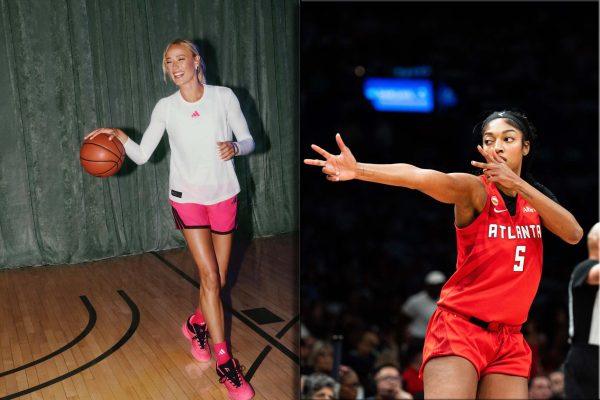
The WNBA Finals between the Atlanta Dream and the Golden State Valkyries have been as intense off the court as on it. A viral clip from Game 2 showed Atlanta forward Angel Reese visibly frustrated while fighting for position, sparking a wave of online commentary about her body language and interactions with officials. For many fans across the Americas, the moment felt familiar—the raw emotion of a competitor who wears her heart on her sleeve.
Cunningham's take: frustration is part of the game
Indiana Fever guard Sophie Cunningham addressed the backlash on her No Hesitation podcast, offering a strong defense of Reese. Cunningham argued that moments of high emotion are common in both the WNBA and NBA during championship runs. “When possessions break down and the stakes are this high, you're going to see frustration—that's what makes these athletes great,” she said. She also noted that clear communication, even when heated, often signals to coaches and teammates the need to adjust offensive sets to get key players involved.
Cunningham's perspective resonates with many Latino fans who understand the passion that fuels sports from Bogotá to Los Angeles. Her comments also echo her earlier praise for Reese's playoff growth, which she detailed in a breakdown of Reese's postseason leap.
Golden State's tactical answer
While the media focused on Reese's emotions, the Valkyries were busy making adjustments. Veteran center Kiah Stokes implemented a physical defensive game plan in Game 4, contesting every paint touch and limiting Reese to just eight points on 2-of-12 shooting. Golden State won 67–62, tying the series at two games apiece. Reese candidly admitted after the game that her shot selection near the rim was rushed, rather than a systemic offensive failure.
The series has been a showcase for women's basketball, with record viewership and a growing global audience. Reese's earlier record-breaking night and celebratory dance electrified fans, and her matchup with Gabby Williams has been one for the ages, as previewed before the Finals.
Scrutiny in the modern WNBA
The heightened attention on player mannerisms is a new reality for the league. As broadcast reach expands and social media amplifies every gesture, elite athletes like Reese face unprecedented examination. Managing external narratives while preparing for championship basketball is now part of the job—a challenge that requires mental toughness as much as physical skill.
Cunningham's defense of Reese is a reminder that passion and frustration are not weaknesses. In a sport where the margins are razor-thin, the ability to channel emotion into performance is what separates the good from the great. For Latino fans who grew up watching their own heroes play with fire, Reese's intensity is something to celebrate, not criticize.
As the Finals head back to a decisive game, all eyes will be on how Reese responds. If her history is any guide, she'll use the criticism as fuel—and that's exactly what makes this series so compelling.