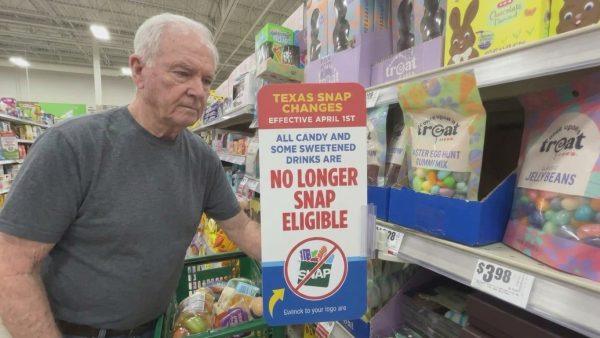
Across Texas, thousands of families are losing access to food assistance at a pace not seen in over a decade. New data from the Texas Health and Human Services Commission (HHSC) shows that SNAP enrollment fell to 2.8 million people in September, the lowest level since August 2009. The sharp decline is hitting Latino communities especially hard, with more than 396,000 Latino residents losing benefits since July 2025—representing 56% of the total drop in the state.
The numbers, first reported by The Texas Tribune and analyzed by the advocacy group Unrig Our Economy, paint a stark picture of growing food insecurity in a state where one in four residents is Latino. Community organizations on the ground say they are scrambling to meet the surge in demand as families struggle to put food on the table.
Why are so many families losing SNAP benefits?
The decline is not accidental. Federal policy changes, particularly the One Big Beautiful Bill Act (OBBBA) signed on July 4, 2025, have shifted more financial responsibility onto states and introduced stricter eligibility rules. According to the Center on Budget and Policy Priorities, Texas saw a 20.8% reduction in SNAP participation compared to September 2025—the steepest year-over-year drop in two decades. Between July 2025 and August 2026, the state lost 689,325 beneficiaries.
Among the new requirements: adults up to age 64 must now work or volunteer at least 80 hours per month to qualify. Many legal immigrants who previously qualified are now excluded. The bureaucratic hurdles are overwhelming for working families, who must document every hour of work or face losing their benefits.
“These changes are creating a perfect storm for Latino families,” says a spokesperson for UnidosUS, a civil rights organization tracking the impact. “Many of our community members work in jobs with irregular hours or informal arrangements, making it nearly impossible to meet the new documentation requirements.”
National impact and the human cost
The crisis extends beyond Texas. Nationally, SNAP lost more than 5 million beneficiaries—nearly 13% of all recipients—between July 2025 and June 2026. But Texas is feeling the pain more acutely, with its Latino community bearing a disproportionate share of the losses.
For families like those in Houston’s East End or San Antonio’s West Side, the loss of SNAP benefits means tough choices between groceries and rent, between meals and electricity. As one community organizer in Dallas put it, “We’re seeing parents skip meals so their kids can eat. That’s not something we should accept in a country as wealthy as ours.”
The situation echoes the struggles highlighted in our recent coverage of US families facing impossible choices between meals and electricity bills. And for those still receiving benefits, there’s another threat: EBT card skimming draining SNAP benefits from Latino families has become a nationwide problem, adding another layer of insecurity.
What can families do?
The Texas HHSC urges families to review their cases, update their information, and check if they qualify for exemptions. But for many, the process is confusing and time-consuming. Food banks and local charities are expanding operations, but they cannot fully replace the federal safety net.
“We’re seeing lines out the door,” says María González, director of a food bank in El Paso. “We’re doing everything we can, but we need policy changes. This is a crisis of political will, not of resources.”
Some states are pushing back. New York, for example, has allocated $26.4 million to shield families from stricter SNAP rules, a model that Texas advocates say could be replicated. But so far, Texas lawmakers have not signaled any intention to soften the impact.
As the holiday season approaches, the urgency grows. For Latino families across Texas, the loss of SNAP benefits is not just a statistic—it’s a daily struggle to keep their children fed. The community is resilient, but resilience has limits. Without meaningful policy changes, the number of families facing hunger will only continue to climb.