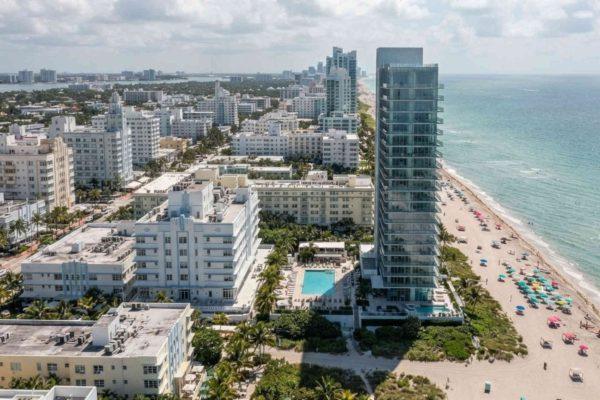
Miami Beach's iconic Collins Avenue is the stage for a new clash between luxury development and neighborhood character, as a $1 billion plan to revive the historic Raleigh Hotel faces pushback from a neighboring hotel over the shadows its proposed tower would cast. The project, led by New York investor Genghis Hadi and his firm Nahla Capital, aims to restore the Raleigh along with the Richmond and South Seas hotels into a four-building resort complex. But the centerpiece—a 200-foot condo tower—has ignited a legal and public relations battle with the Shelborne By Proper hotel, whose owner argues the structure would steal precious sunlight from guests during the high season.
The Shadow Dispute
Mitchell Cohen, owner of the Shelborne, contends that the tower's design is disproportionate and would unfairly redirect sunlight toward the Raleigh at the expense of his property. Technical studies presented to the city's planning board indicate that at the maximum permitted height of 200 feet, the new building would cast a shadow over the Shelborne's pool for approximately two hours daily during December and January—the peak of Miami Beach's tourism boom. For Cohen, this is not just about aesthetics; it's about the guest experience that drives his business.
Developer Genghis Hadi, however, downplays these concerns. He defends the project as essential for revitalizing a long-abandoned property, generating tax revenue, and preserving the Art Deco character that defines this stretch of Miami Beach. The planning board recently approved the expansion of operational space for the complex, but the tower's height remains a sticking point.
This isn't the first time Miami Beach has seen such a conflict. The dispute echoes a 1959 legal battle between the Eden Roc and Fontainebleau hotels, where the courts ultimately ruled that a property owner does not have an unlimited right to light and air from neighboring land. That precedent looms over the current fight, though the stakes here are amplified by the city's ongoing struggle to balance economic growth with the quality of life for residents and visitors alike.
Historic Preservation vs. Development
Preservation groups, including the Miami Design Preservation League, argue that the 200-foot tower is incompatible with the historic character of the district. They point to the Raleigh's status as a landmark property and warn that allowing such height could set a dangerous precedent for future developments along the coast. The project's fate now rests with the Historic Preservation Board, which must decide whether the Raleigh can reach the 200-foot maximum or if developers must adhere to the previously approved 175 feet.
This debate is part of a larger conversation about Miami Beach's identity. As luxury real estate continues to reshape the skyline—from record-breaking mansion sales to controversial helipad plans—the city must navigate the tension between attracting investment and preserving the charm that draws people here in the first place. The outcome of this case could influence how future projects are evaluated, especially those that threaten to cast long shadows over public spaces and neighboring businesses.
For now, uncertainty hangs over this emblematic sector of Miami Beach. The Raleigh Hotel's revival promises to bring new life to a historic property, but at what cost to its neighbors? As the Historic Preservation Board deliberates, the answer will reveal whether Miami Beach can find a balance between progress and preservation—or if the shadows of development will continue to grow.