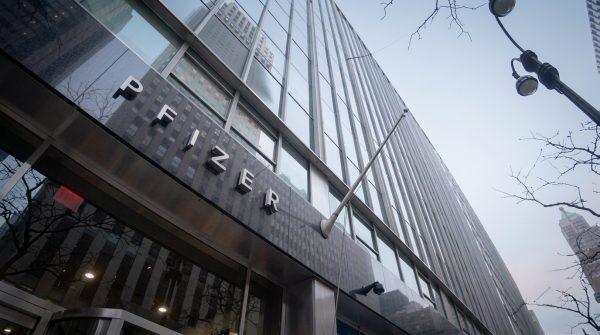
Manhattan’s ambitious plan to turn empty office towers into homes hit a serious snag this week. A partial collapse of support columns at the former Pfizer headquarters on East 42nd Street—now being converted into 1,602 apartments—has sparked urgent safety reviews and shaken confidence in the city’s largest office-to-residential conversion.
The trouble began early on July 7, when inspectors detected a four-inch sag in the 21st-floor slab. The New York City Department of Buildings immediately ordered the evacuation of workers and residents from nine nearby buildings. Emergency crews from the FDNY and the Department of Buildings rushed to stabilize the structure, installing massive temporary beams and supports on floors 17 through 24. No injuries were reported, but the incident has put the entire project under a microscope.
A Cornerstone Project Under Scrutiny
The former Pfizer tower at 219-235 East 42nd Street is being transformed by developer MetroLoft into a mixed-income complex with 25% of units reserved as affordable housing. It’s a flagship effort in Mayor Zohran Mamdani’s strategy to tackle the city’s housing shortage by repurposing vacant corporate spaces. But the structural failure has raised alarms about the physical integrity of the building and the broader New York real estate risk involved in such conversions.
Department of Buildings Commissioner Ahmeed Tigani confirmed that the stabilization plan implemented Wednesday morning mitigated the shifting of support columns and restored safe conditions. However, streets between 42nd and 43rd, from Second to Third Avenue, remain closed to vehicular traffic while engineers conduct deep diagnostics. “We are taking every precaution to ensure the safety of workers and the public,” Tigani said.
MetroLoft CEO Nathan Berman downplayed the incident, calling it a routine technical hurdle in large-scale construction. “The building was never in imminent danger of collapse,” Berman insisted. But public skepticism is growing. Future renters and housing advocates are demanding clear answers about the structural future of the residential units, especially as the developer aims to deliver apartments later this year.
Mayor Mamdani reaffirmed his commitment to the conversion strategy, arguing that the incident does not alter the macro goal of reducing the housing crisis. But he also demanded strict accountability. Independent auditors will now monitor every step of the rehabilitation to prevent negligence that could compromise tenant safety. “We cannot afford to cut corners,” Mamdani said. “The well-being of future residents is non-negotiable.”
Engineering teams are now performing precise calculations to determine the root cause of the slab sag. The Department of Buildings requires a definitive repair plan before construction can resume in the affected sections of the 235 wing. Load testing and laser scanning will verify whether the upper floors can support the final building load, eliminating any risk of future tragedy.
The incident comes at a time when New York is grappling with a severe housing shortage. Similar projects across the city, like the conversion of 1920s hotels into affordable apartments, have shown promise. But the Pfizer tower’s troubles highlight the hidden dangers of retrofitting aging commercial structures. As New York rent vote looms, the outcome of this audit could influence policy decisions on housing development.
For now, the market watches with caution. Any further delay in construction could affect investor finances and the availability of thousands of promised apartments. The city’s oversight aims to ensure that the crisis construction residential in Manhattan does not spawn a series of unattended structural risks. As one engineer put it, “We’re not just building homes—we’re rebuilding trust.”