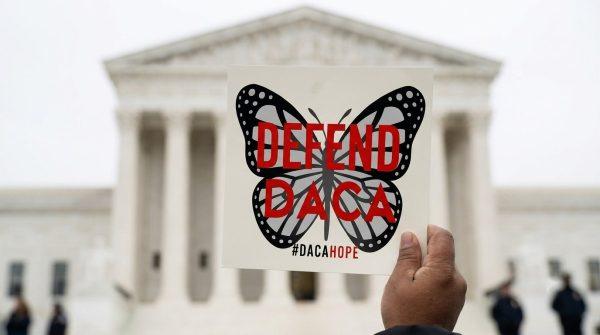
For the roughly 90,000 DACA recipients living in Texas, 2026 has brought a new wave of uncertainty. State authorities have enacted regulations that restrict access to professional certifications and higher education, creating a legal maze for young people who grew up in cities like Houston, San Antonio, and Dallas. While federal protections still allow work permit renewals, the local landscape has shifted dramatically.
The Texas State Law Library and the American Immigration Council have become essential resources for those trying to understand their rights. Nonprofit organizations across the state are stepping in to help navigate the bureaucracy, but the fear of arbitrary arrests under measures like Senate Bill 4 has made daily life precarious for many.
Labor Restrictions and Lost Careers
One of the most damaging changes is the exclusion of DACA beneficiaries from obtaining professional licenses. This blocks trained professionals from practicing in fields like medicine, law, and construction. Thousands of skilled workers are now forced to abandon their careers or work in the informal economy, losing the chance to contribute fully to their communities.
The contradiction is stark: federal law grants work authorization, but state law prevents the issuance of licenses. This leaves many young people vulnerable to exploitation by employers who take advantage of their uncertain status. The commercial transportation sector has been hit especially hard, as the state stopped issuing heavy vehicle permits to DACA recipients, leaving thousands of drivers without formal employment overnight.
Organizations like the American Immigration Council document the economic fallout: families lose income, and Texas loses billions in purchasing power and tax revenue as talent migrates to more welcoming states. For those considering their options, free IRS tax help for immigrants is available to help navigate financial challenges.
Higher Education Barriers
Public universities now require proof of legal presence to qualify for resident tuition, effectively shutting out thousands of students who previously qualified. This creates an insurmountable financial barrier for young people dreaming of a college degree. Many have had to pause their studies or take on crushing debt to pay international tuition rates.
Houston Public Media estimates that 18,500 students face difficulties continuing their university education due to incorrect notifications from admissions offices. The administrative chaos has left many unsure if they can afford the next semester. Despite this, federal employment authorization renewals continue while legal battles play out in the Fifth Circuit Court of Appeals, offering a temporary lifeline.
For families looking to save on essentials, Texas and Florida tax-free 2026 dates provide some relief, but the broader economic pressure remains intense.
Legal Status and Key Considerations
The Fifth Circuit Court of Appeals has allowed renewals to continue, recognizing the dependency that has built up over years. This temporary protection shields thousands from immediate cancellation attempts by the state attorney general's office. However, the legal landscape remains fragile, and advocates urge DACA recipients to stay informed and seek counsel.
For those considering relocation, cities like Georgetown, named the safest midsize city in Texas for families in 2026, offer a different environment. But for many, leaving Texas means leaving behind jobs, homes, and communities built over a lifetime.
The situation underscores a broader tension: while federal protections exist on paper, state-level hostility can hollow them out. For now, DACA recipients in Texas must navigate a system where their rights are constantly contested, relying on legal aid and community support to hold onto the fragile stability they have.