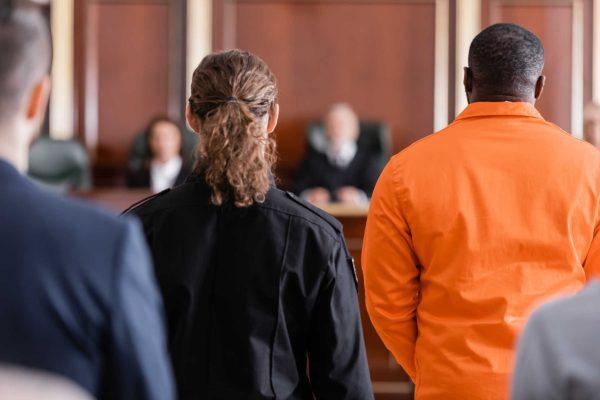
In a Washington federal courtroom, the trial of Shamell Naquan Joyner took an unexpected turn when jurors, while examining evidence, discovered white powder and foreign currency tucked inside the pockets of a jacket and sweatshirt that had been presented as proof of the crimes. The finding, which occurred during deliberations, left Judge Rudolph Contreras and prosecutors visibly shocked, as it exposed a significant lapse in the FBI's handling of key evidence.
The garments in question were worn during the armed robberies attributed to Joyner, and they had been in police custody for months. Yet, no one had thought to check the pockets. The discovery not only disrupted the proceedings but also cast a shadow over the thoroughness of the entire investigation, prompting questions about how such an oversight could happen in a high-stakes federal case.
An Unprecedented Error in the Courtroom
Judge Contreras, visibly taken aback, acknowledged the gravity of the situation. "This is an unprecedented error," he said, according to court observers. "It undermines the integrity of the evidence and raises serious concerns about the protocols followed by law enforcement." The prosecution attempted to link the newly found items to the robberies, but the damage was done—the defense argued that the mishandling of evidence compromised the fairness of the trial.
The incident has drawn comparisons to other recent legal controversies, such as the evidence rules in Shilo Sanders' bankruptcy trial, where judicial oversight also came under scrutiny. While the contexts differ, both cases highlight the critical importance of meticulous evidence handling in the American justice system.
Impact on the Verdict
After the discovery, the jury was instructed to set aside the tainted evidence and continue deliberations. However, the shock of the finding lingered, and the jury ultimately could not reach a unanimous decision on half of the charges, citing reasonable doubt. Nevertheless, they did convict Joyner on multiple counts of armed robbery and carjacking in the nation's capital.
The prosecution hailed the verdict as a victory for public safety, arguing that removing Joyner from the streets was paramount. "The defendant posed a serious threat to our community," said a prosecutor after the trial. "We are satisfied that justice was served, despite the unfortunate mishap."
Defense attorneys, however, are expected to appeal, citing the FBI's error as grounds for a mistrial. "This is a clear violation of due process," said Joyner's lead counsel. "The government's failure to properly examine evidence is inexcusable and should not be overlooked."
The case has also sparked broader discussions about police accountability and the need for systemic reforms. For many in the Latino community, who have long faced disproportionate scrutiny from law enforcement, this incident resonates deeply. It echoes concerns raised in other high-profile cases, such as the Netflix docuseries on Michael Jackson's 2005 trial, where evidence handling also came into question.
As the legal process moves forward, the spotlight remains on the FBI and the Department of Justice to explain how such a lapse could occur. The incident has not only embarrassed federal authorities but also eroded public trust in the criminal justice system—a trust that is already fragile in many communities across the United States.
For now, Joyner awaits sentencing, facing a lengthy prison term. But the controversy surrounding his trial is far from over, and its implications may extend well beyond this single case, prompting calls for stricter evidence protocols and greater transparency in federal investigations.