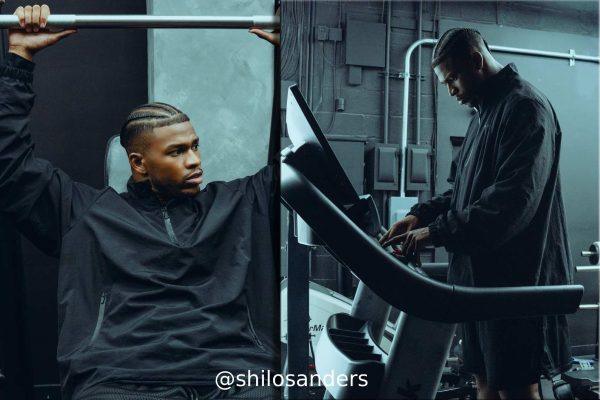
Federal Bankruptcy Judge Michael Romero has issued a series of pretrial rulings that will shape the upcoming trial of Shilo Sanders, the 26-year-old former Colorado football player and son of Hall of Famer Deion Sanders. The trial, scheduled for August 31 in Denver, will determine whether Sanders can discharge an $11.89 million debt through Chapter 7 bankruptcy or if the debt is exempt from discharge because it resulted from a willful and malicious injury.
The debt originates from a 2015 incident at a Dallas high school, where Sanders, then 15, was involved in a physical altercation with John Darjean, a campus security officer. Darjean claims Sanders assaulted him after he tried to confiscate Sanders' mobile phone, causing severe injuries that required emergency medical treatment. Sanders has maintained he acted in self-defense.
Key Evidentiary Rulings
In his recent order, Judge Romero partially granted and partially denied several motions from Sanders' legal team. The court indicated it may allow expert witnesses to testify about the reasonableness of the force Sanders used against Darjean, directly challenging the self-defense narrative. Additionally, records from the Letot juvenile detention facility in Texas, where Sanders was held after a separate school incident, could be admitted if they contain statements made by Sanders that qualify as party admissions.
The preliminary hearings were sealed to protect juvenile records, but the court released a public summary of its findings. This case has drawn attention not only because of the high-profile family name but also because of the legal questions it raises about bankruptcy protections and personal liability.
Darjean filed a civil suit in 2016, but Sanders failed to appear at a scheduled 2022 trial, leading to a default judgment of $11.89 million. To manage that massive liability, Sanders filed for Chapter 7 bankruptcy in October 2023, a move Darjean is actively contesting.
The Bankruptcy Standard
Under U.S. bankruptcy law, most debts can be discharged, but debts arising from willful and malicious injuries are not eligible. The trial will focus on Sanders' intent during the 2015 altercation. If the court finds that the injury was intentional and malicious, Sanders will remain fully liable for the entire $11.89 million judgment.
Sanders, who went undrafted in the NFL and was briefly waived by the Tampa Bay Buccaneers, has built a following as an influencer. His legal team argues that the debt should be discharged, allowing him a fresh financial start. Darjean's attorneys counter that the nature of the assault—and the subsequent default judgment—warrants an exception to discharge.
This case echoes broader conversations about accountability and the limits of bankruptcy protection, particularly for public figures. For the Latino community, it serves as a reminder of how legal systems can intersect with personal responsibility, especially when young athletes face life-altering decisions. While the Sanders family is not Latino, the case has been followed closely by sports fans across the Americas, including in countries like México, where high-stakes athlete contracts and legal battles are common.
The trial is expected to last several days, with testimony from both sides. Judge Romero's rulings have set the stage for a contentious legal battle that could have lasting implications for how bankruptcy courts handle default judgments stemming from personal injury claims.