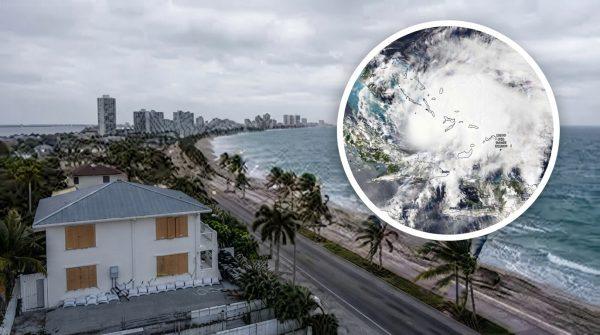
As Hurricane Isaias churns through the Gulf of Mexico, Florida is bracing for what could be its most intense storm of the season. The system, currently packing maximum sustained winds of 85 mph, is projected to strengthen into a Category 3 hurricane before making landfall late Friday or early Saturday somewhere between Alabama and the Florida Panhandle. Governor Ron DeSantis has declared a state of emergency across 25 counties, and the state is pulling out all the stops to protect coastal communities.
A massive mobilization
Florida's emergency operations are in full swing. More than 12,000 personnel have been deployed, including 5,000 National Guard troops, 6,000 utility workers, and hundreds of highway patrol and state guard members. They're backed by a fleet of over 260 heavy machinery units, 100 ambulances, 20 marine vessels, and 1,000 power generators. The goal is to keep roads clear, restore power quickly, and rescue anyone trapped by flooding.
Logistics are just as critical. The state has stockpiled 500,000 gallons of gasoline, 1 million gallons of diesel, 35,000 gallons of aviation fuel, and 1.1 million bottles of water. These reserves are positioned at strategic bases to ensure a steady supply for rescue aircraft and emergency vehicles. As Tropical Storm Isaias gains strength, these preparations are more than precautionary—they're lifesaving.
Governor DeSantis emphasized the importance of readiness in a press conference, saying, "We are deploying every available resource to ensure the safety of our residents. This is a serious storm, and we are treating it as such." The state is also coordinating with neighboring Alabama, where Governor Kay Ivey has declared a state of emergency across 40 counties.
Evacuations and shelters
Mandatory evacuation orders are already in effect for parts of the Florida Panhandle, a region particularly vulnerable to storm surge. Emergency officials have set up temporary shelters equipped to handle displaced families, and health brigades are distributing medical supplies to isolated communities. The Florida Highway Patrol has established checkpoints to facilitate evacuations and keep emergency lanes open.
For many residents, this is a familiar drill. But the threat of a Category 3 storm—with winds of 111 to 129 mph—is not something to take lightly. The National Hurricane Center is tracking the storm's path closely, and warnings have been issued for Florida, Alabama, Mississippi, Georgia, Louisiana, Tennessee, and the Carolinas. Heavy rainfall and rising river levels are expected across the region, raising the risk of urban flooding and isolated overflows.
In Miami, where many in the Latino community have family ties to the Caribbean, there's a sense of solidarity. "We've been through this before," said María González, a resident of Hialeah. "But you never get used to it. You just pray and prepare." Her sentiment echoes across the state, where homeowners are already grappling with insurance costs that outpace tax worries, and now face the added stress of potential storm damage.
As the storm approaches, officials are urging residents to follow evacuation orders and stay informed. "Do not wait until the last minute," warned DeSantis. "The time to act is now." The state's emergency operations center will remain active through the weekend, monitoring the storm's progress and coordinating response efforts.
For those in the storm's path, the next 48 hours will be critical. But with robust preparation and a coordinated response, Florida is doing everything it can to weather the storm. As Florida's dengue outbreak has shown, the state is no stranger to emergencies—and it knows how to respond.
Stay safe, stay informed, and look out for your neighbors. This is a moment for community, not just survival.