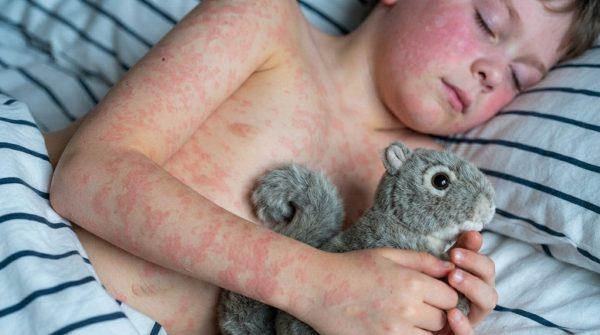
Florida is facing its most significant dengue outbreak in over a decade, with more than 250 locally acquired infections reported this year. The surge has prompted emergency declarations in Pinellas, Pasco, and Hillsborough counties, where health authorities are scrambling to contain the spread of the mosquito-borne virus.
The first death from a mosquito bite in the state has heightened concerns, especially in the Tampa Bay area, which has become the epicenter of the outbreak. Hillsborough County, in particular, accounts for the majority of cases, putting local hospitals and public health systems on high alert.
Why these counties are on emergency footing
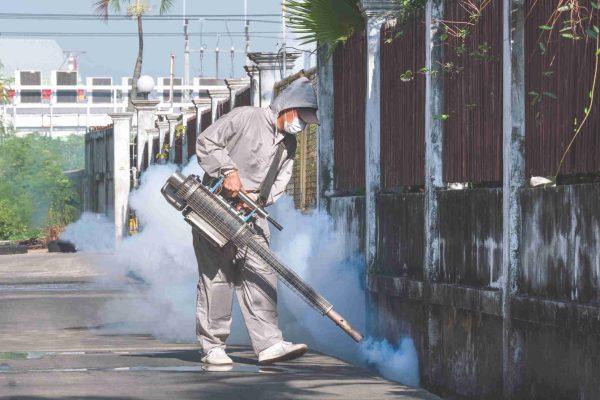
Emergency declarations allow counties to mobilize additional resources, including vector control teams and public awareness campaigns. The goal is to break the transmission cycle by reducing mosquito populations and educating residents about prevention.
Dengue is transmitted by the Aedes aegypti mosquito, which thrives in warm, humid environments. Climate factors, including the El Niño phenomenon, have created ideal breeding conditions, accelerating the virus's spread. Health experts note that symptoms—such as high fever, severe muscle and joint pain—can appear up to two weeks after a bite, making early detection challenging.
While dengue is common in Puerto Rico and other tropical territories, its sustained presence on the U.S. mainland is unusual. This outbreak is a stark reminder that climate change is expanding the range of vector-borne diseases, a trend observed globally.
The broader picture: a global rise in dengue
The World Health Organization warns that nearly half of the world's population is now at risk of dengue, driven by rising global temperatures. The situation in Florida is not isolated; countries across Latin America and the Caribbean are also reporting record numbers of cases.
For Latino communities in Florida, many of whom have family ties to regions where dengue is endemic, this outbreak hits close to home. It underscores the importance of cross-border cooperation in public health, as well as the need for vigilance in our own backyards.
Local health departments are urging residents to eliminate standing water around their homes—where mosquitoes breed—and to use repellents, especially during dawn and dusk. They also emphasize the importance of seeking medical care if symptoms develop, as early treatment can be critical.
This emergency declaration is a call to action. As one health official put it, "We cannot afford to be complacent. The mosquito doesn't respect borders, and neither should our prevention efforts."
For more on how climate and policy intersect with daily life, check out our coverage of California's new solar law and Florida's minimum wage milestone. And for a lighter note, see how a Florida island with alligators is making headlines.
As the outbreak evolves, staying informed is key. We'll continue to monitor the situation and provide updates as they develop.