In a rare show of bipartisan unity, Congress has advanced a bill to elevate Arizona's Chiricahua National Monument to the status of a full national park, making it the 64th in the nation. The legislation, championed by Representative Juan Ciscomani, passed the House by voice vote and cleared the Senate with unanimous consent, now heading to the president's desk for final approval.
The move transforms a 49-square-kilometer volcanic landscape in southeastern Arizona into a premier conservation site, a designation that promises to boost regional tourism while raising the bar for federal protection. For locals and visitors alike, the change signals a new chapter for a place long cherished by outdoor enthusiasts and indigenous communities.
A Land of Standing-Up Rocks
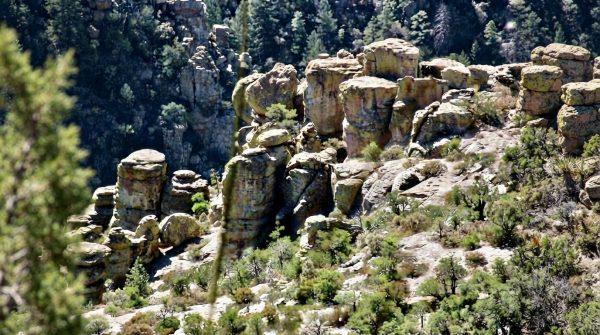
The Chiricahua Apache people have called this territory "Land of Standing-Up Rocks" for generations, a name that captures the dramatic spires and rock formations that define the area. Early European settlers dubbed it the "Wonderland of Rocks," and the name stuck. The region's history is layered with both reverence and conflict, including the forced relocation of the Chiricahua Apache in 1886 and the military campaigns led by Buffalo Soldiers against figures like Gerónimo and Cochise.
Justine Jimmie, deputy prosecutor for the San Carlos Apache Tribe, testified before Congress in 2024, urging lawmakers to guarantee uninterrupted access for tribal members seeking sanctuary and prayer spaces. The final legislation includes provisions to safeguard these ceremonial uses, ensuring that future park management respects sacred sites within the expanded federal boundary.
President Calvin Coolidge originally designated the area as a national monument in 1924 under the Antiquities Act, and Franklin D. Roosevelt expanded its boundaries in 1938. Now, nearly a century later, the upgrade to national park status marks a significant milestone—the first new park of this magnitude since 2020.
Economic Hopes and Practical Challenges
Local leaders are optimistic about the economic ripple effects. Greg Hancock, mayor of Willcox—the closest town to the park—expects the designation to draw more visitors to local hotels, restaurants, and shops. "This is a game-changer for our community," he said, noting that the increased visibility will help sustain small businesses.
However, the transition comes with hurdles. The National Park Service is currently facing deep staff reductions under the administration's directives, and maintenance projects at Chiricahua were previously categorized as low priority. Federal resources have been redirected toward initiatives like the restoration of the Lincoln Memorial reflecting pool, leaving questions about staffing and infrastructure for the new park.
To prepare for the influx of visitors, local officials and park managers are coordinating on several fronts: upgrading visitor center facilities to handle over 60,000 annual arrivals, implementing sustainable trail maintenance to protect the fragile volcanic spires, and establishing clear guidelines for ceremonial access zones. Seasonal parking solutions and communication channels between the Park Service and local businesses are also in the works.
The Congressional Budget Office estimates the initial transition costs at under $500,000, a modest sum for such a significant designation. But operational budgets and staffing requirements remain under review, and the park's future will depend on sustained federal commitment.
For the broader Latino community, this story resonates beyond the immediate region. Many Latinos in the Southwest have deep ties to these lands, and the park's evolution reflects a growing recognition of indigenous and mestizo histories. As the Chiricahua National Monument becomes a national park, it stands as a testament to the enduring connection between people and place—a connection that transcends borders and generations.
For those interested in following similar public land initiatives, resources like Congress.gov offer detailed legislative tracking. And for travelers planning a visit, the National Park Service provides guidelines on what to expect at the newly designated park.
The road to this milestone has been long, but the destination promises a brighter future for conservation, cultural preservation, and community prosperity in the American Southwest.