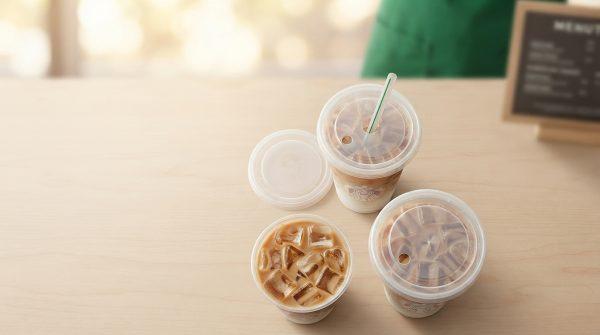
Starbucks is facing a legal challenge over its "sugar-free" protein drinks, which, according to a class-action lawsuit, contain anywhere from 13 to 21 grams of sugar per 591-milliliter serving. The drinks in question—protein lattes and matchas made with 2% milk and whey protein—are marketed as "sugar-free," but the sugar comes from lactose, the naturally occurring sugar in milk.
The lawsuit, filed in the U.S. District Court for the Western District of Washington in Seattle, represents consumers from California, New York, and Washington. It alleges that Starbucks violated consumer protection laws by using the "sugar-free" label on products that exceed the federal threshold for such claims. Under FDA rules, a food or beverage can only be labeled "sugar-free" if it contains less than 0.5 grams of total sugars per serving.
The eight drinks at the center of the controversy
The lawsuit targets eight specific beverages, all introduced in September 2025 as part of Starbucks' protein line. They include:
- Sugar-Free Vanilla Protein Latte
- Sugar-Free Caramel Protein Latte
- Sugar-Free Vanilla Protein Matcha
- Sugar-Free Caramel Protein Matcha
- Iced Sugar-Free Vanilla Protein Latte
- Iced Sugar-Free Caramel Protein Latte
- Iced Sugar-Free Vanilla Protein Matcha
- Iced Sugar-Free Caramel Protein Matcha
Each of these drinks contains between 13 and 21 grams of sugar, all of which come from the lactose in the milk. The plaintiffs argue that calling these drinks "sugar-free" is misleading, especially for people who choose them for dietary reasons, such as managing diabetes or reducing sugar intake.
Legal arguments and regulatory standards
The plaintiffs' attorneys point to federal regulations that define "total sugars" as the sum of all monosaccharides and disaccharides, which includes lactose. They argue that regardless of whether the sugar is added or naturally occurring, the label must reflect the total sugar content. The lawsuit also claims that some of these drinks lack the calorie warning statements required for beverages that exceed certain energy density limits.
Starbucks, for its part, has defended its practices. In a statement, a company representative said, "We believe these claims have no merit." The company argues that its menu boards and mobile app provide full nutritional information, including calorie counts and sugar content, so customers can make informed choices.
What this means for consumers and the industry
This case could have broader implications for how food and beverage chains label products that contain naturally occurring sugars. If the court rules in favor of the plaintiffs, Starbucks may be required to change the names of these drinks or add disclaimers. The outcome could also set a precedent for other chains that use similar labeling.
For Latino consumers, who are disproportionately affected by diabetes and other metabolic conditions, the clarity of nutritional labels is especially important. Many people rely on "sugar-free" claims to make healthier choices, and this lawsuit highlights the need for transparency in food marketing.
As the legal process unfolds, industry analysts are watching closely. The case is still in its early stages, with judges evaluating class certification and jurisdictional issues. A prolonged courtroom battle is likely, and the final decision could reshape how beverage companies communicate sugar content across North America.
In the meantime, consumers are advised to check the full nutritional information before assuming a drink is truly sugar-free. For those who want to avoid sugar entirely, black coffee or unsweetened tea remain the safest bets.