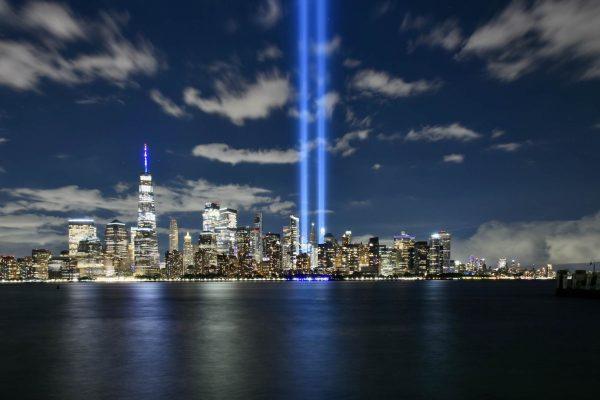
Twenty-five years after the September 11 attacks, the world still moves to a rhythm set by that Tuesday morning. For Latin Americans and the diaspora, the changes have been especially tangible—from the extra hour at the airport in Bogotá or México City to the biometric scans that now greet travelers in São Paulo and Miami.
Air travel transformed
The most visible shift came in aviation. The creation of the U.S. Transportation Security Administration (TSA) federalized airport screening, and its protocols soon became the global template. Today, passengers in Buenos Aires, Lima, and San Juan routinely remove shoes, surrender liquids under 100 milliliters, and pass through full-body scanners. Cockpit doors are reinforced, and air marshals are a permanent presence on many flights.
For Latino travelers, this has meant longer waits and more invasive checks, but also a shared sense of security. As one frequent flyer from Medellín put it, “We grumble, but we also know why it’s there.”
Biometrics and surveillance
Biometric passports—embedded with chips holding fingerprints and facial data—are now standard across the hemisphere. Chile, Argentina, and México were among the early adopters in Latin America. These documents speed up border crossings but also feed vast databases, raising questions about privacy that resonate from Santiago to Los Angeles.
Legislation like the U.S. Patriot Act expanded government surveillance, and similar laws have been debated in several Latin American countries. The tension between collective security and individual rights remains a live issue, especially for communities that have experienced both state overreach and the benefits of safer travel.
Geopolitics and military shifts
Globally, 9/11 reoriented defense strategies toward preemptive action and borderless warfare. The wars in Afghanistan and Iraq drew in Latin American nations in various ways—some contributed troops, others offered logistical support, and many faced the consequences of heightened U.S. security cooperation. The detention center at Guantanamo Bay, on Cuban soil, became a symbol of the new era’s legal gray zones.
In Latin America, the focus shifted to disrupting illicit financing networks, with the Financial Action Task Force tightening anti-money laundering rules. Countries like Colombia and México, already battling drug cartels, found new tools and new pressures in the global security framework.
Everyday vigilance
Beyond airports and laws, 9/11 normalized a culture of vigilance. Public awareness campaigns urge citizens to report suspicious activity, and law enforcement has adopted militarized tactics that are now common in many cities. For Latino communities, this has sometimes meant heightened scrutiny, but also a greater role in shaping how security is implemented.
As the history of political and social change shows, adaptation is part of the American story. The same is true for the post-9/11 world: we have learned to live with new norms, even as we debate their costs.
Looking ahead
Twenty-five years on, the legacy of 9/11 is woven into the fabric of daily life. For Latin Americans and the diaspora, it means balancing the need for safety with the preservation of cultural and familial connections across borders. The technology that scans our faces at the airport is the same that lets us video-call relatives in Guadalajara or Caracas. The challenge is to keep those connections open while protecting what matters most.
As we mark this anniversary, it’s worth reflecting on how far we’ve come—and how much of our routine is still shaped by that single day. The lunar calendar may guide some traditions, but the security calendar is now universal.