As summer winds down and the first hints of autumn appear, millions across the United States gear up for the long Labor Day weekend. In 2026, the holiday falls on Monday, September 7, giving families from Los Angeles to Miami one last chance to fire up the grill, hit the road, or simply rest. But behind the barbecues and retail sales lies a history that is far more complicated—and more political—than many realize.
A holiday born from labor's fight
The roots of Labor Day stretch back to the industrial turmoil of the late 19th century. In Chicago, workers in factories and rail yards faced grueling hours, unsafe conditions, and wages that barely kept families alive. Unions began organizing aggressively, demanding an eight-hour workday and better treatment. The 1886 Haymarket Riot in Chicago became a flashpoint, turning public attention to the labor movement's grievances and its sometimes violent clashes with authorities.
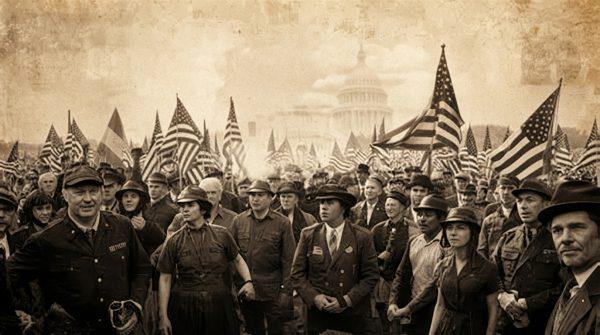
Two years earlier, in 1882, the Central Labor Union had staged what is widely considered the first Labor Day parade in New York City. More than 10,000 workers marched through Manhattan, calling for fair pay and shorter hours. That demonstration sparked a tradition that spread to other cities, and by the early 1890s, several states had already designated a day to honor workers.
The federal government took notice after the Pullman Strike of 1894, a nationwide rail shutdown that disrupted mail delivery and commerce. President Grover Cleveland, eager to appease labor unions without appearing to endorse radicalism, signed legislation making the first Monday of September a federal holiday. The choice was deliberate: May 1, known as International Workers' Day, was associated with socialist and anarchist movements in Europe and the memory of Haymarket. By picking September, Cleveland aimed to create a distinctly American celebration—one that honored labor but steered clear of revolutionary symbolism.
Historians at Cornell University's School of Industrial and Labor Relations have documented how this political calculation shaped the holiday's character. Unlike May Day, which often carried protest energy, the September date evolved into a more patriotic and family-oriented observance. That distinction remains central to how Americans understand Labor Day today.
What's open, what's closed, and the economic ripple
On Labor Day, federal and municipal offices, public schools, and banks shut their doors. But the commercial world hums along: grocery stores, pharmacies, and most retail chains operate as usual. Warehouse clubs like Costco are a notable exception, closing their locations to give employees the day off. Public transit systems adjust schedules, and highways fill with travelers heading to beaches, mountains, and family gatherings.
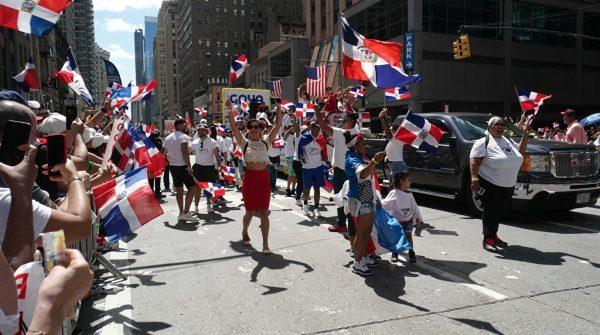
The economic impact is substantial. The Bureau of Labor Statistics tracks consumer spending during the long weekend, which routinely tops $15 billion nationwide. Retailers roll out sales, and restaurants see a surge in diners. For many Latino families, the weekend also becomes a time for community events—like the free merengue party Elvis Crespo brings to the Bronx, a celebration of Puerto Rican culture that doubles as a Labor Day tradition. (Check out Elvis Crespo's Bronx merengue bash for details.)
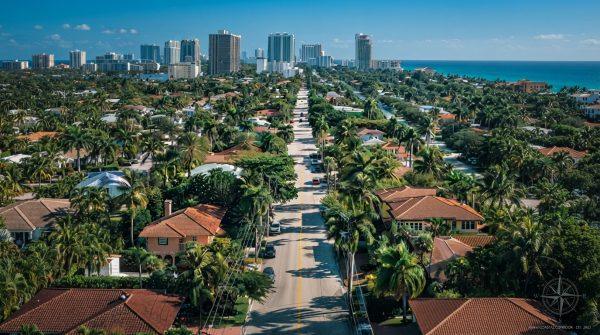
Weather often plays a role in holiday plans. This year, forecasters are watching potential tropical storms off Florida's coast, which could dampen outdoor festivities. For those staying in, the streaming world offers plenty of distractions, from new series to classic films. (See our September streaming guide for what to watch.)
Cultural echoes and modern meaning
Beyond the practicalities, Labor Day carries cultural weight. For decades, fashion rules dictated that wearing white after Labor Day was a faux pas—a tradition that has faded but still sparks conversation. More importantly, the holiday serves as a moment to reflect on the evolving American workforce. Today, Latino workers are a vital part of that story, contributing across industries from construction to tech. As AI reshapes job markets, organizations are focusing on helping Latino professionals gain new skills. (Learn more about AI skills and Latino job prospects.)
The labor movement's legacy is not just about the past. It's about the ongoing struggle for fair treatment, safe workplaces, and economic dignity—issues that resonate deeply in Latino communities, whether in the fields of California's Central Valley or the kitchens of New York's restaurants. As you enjoy the day off, remember that the holiday was hard-won, and its meaning continues to evolve.
So this September 7, as you fire up the grill or plan a getaway, take a moment to appreciate the workers who came before—and those who keep the country running today. And if you're looking for something to do, consider checking out local events or simply relaxing with family. After all, that's what the holiday was meant for.