For decades, country music stood as a pillar of American popular culture, but the latest data from Billboard Latin Music Week suggests that Latin music is now challenging that legacy. According to Rob Jonas, CEO of Luminate, Latin music has become the fifth most-listened genre in the United States, accounting for one in every ten online streams. This marks a historic turning point in the country music vs. Latin music dynamic, as digital platforms accelerate the reach of urban rhythms and Spanish-language hits.
The shift is not just a blip on the charts. Between 2021 and 2026, the percentage of American adults who listen to Spanish-language songs monthly jumped from 44% to 54%, a five-year growth rate of 15% that outpaces hip-hop, rock, and pop. This sustained expansion is reshaping how record labels, streaming services, and live-event promoters approach the U.S. market.
What’s driving the surge?
Industry analysts point to a combination of factors. First, streaming playlists have become the new radio, and they are increasingly featuring Latin artists. Second, landmark live performances—like Bad Bunny’s Super Bowl halftime show—have created massive spikes in digital consumption, with his set generating the largest streaming week in Latin music history and keeping demand elevated for 15 consecutive weeks. These moments prove that high-profile showcases can shift the balance in the country music vs. Latin music competition.
Third, the international footprint of Latin music is expanding. While Latin America still generates two-thirds of all Latin streams—with México contributing 29% and Brazil 18%—tours are igniting demand in France, Germany, the UK, Japan, and India. In the U.S., the number of Latin artists in the top 500 streamed acts has grown from 23 in 2020 to 37 today, including seven in the elite top 100.
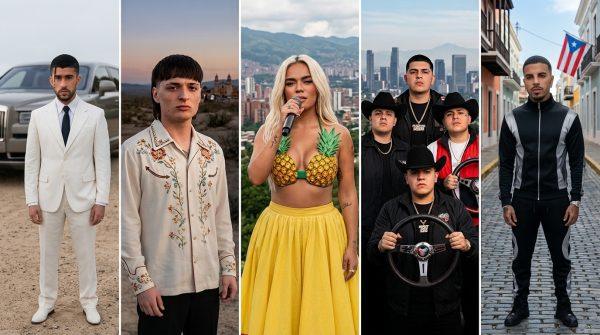
This growth is not just about numbers; it’s about cultural resonance. Latin music is not a monolith—it spans reggaetón, corridos, bachata, and more, each with its own regional roots and global appeal. From the streets of San Juan to the studios of México City, the sounds are as diverse as the communities that create them.
For music executives, the message is clear: adapt or be left behind. Marketing budgets must be reallocated to match this momentum, and digital distribution strategies need to reach new demographics. As the industry moves toward 2027, the solid expansion of Latin music in America shows no signs of slowing.
For fans, this is a moment to celebrate. Whether you’re dancing to a Bad Bunny track or humming a corrido from October’s Latin music tours, the genre’s rise is a testament to the power of cultural exchange. And as Día de Muertos celebrations light up cities like Los Angeles, the connection between music and identity grows even stronger.
But this isn’t just about charts or awards. It’s about the stories that Latin artists tell—stories of love, struggle, and joy that resonate across borders. As the genre continues to climb, it’s clear that Latin music is not just a trend; it’s a movement that’s here to stay.