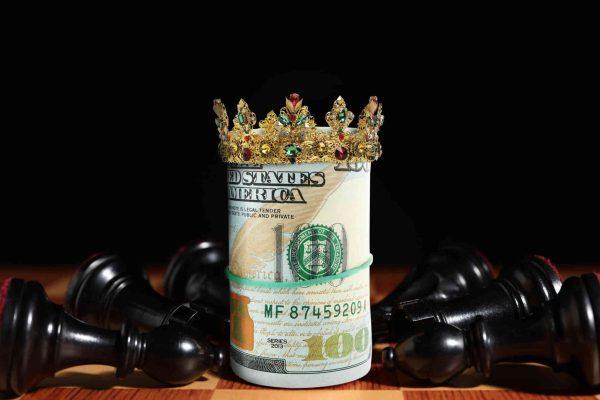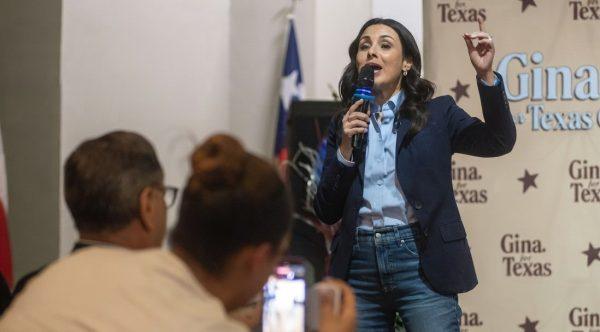
Texas state Representative Gina Hinojosa has introduced a bold economic relief plan that would send $1,500 directly to working families across the state. The proposal, part of her "Money in Your Pocket" agenda, aims to tackle the affordability crisis squeezing households from Houston to the Rio Grande Valley. Hinojosa argues that Texas families deserve a break from rising costs, and she's looking to the state's massive savings account to make it happen.
The plan would pull $17 billion from the Economic Stabilization Fund, better known as the Rainy Day Fund, which currently holds around $27 billion. Hinojosa insists this would leave a $10 billion cushion for emergencies, keeping the state's finances solid. The payments would be structured as a direct rebate, approved by the state legislature, and distributed through a streamlined platform to avoid bureaucratic delays.
A Direct Challenge to Austin's Status Quo
Hinojosa has been vocal in her criticism of Governor Greg Abbott's administration, accusing it of hoarding surplus funds instead of putting them to work for everyday Texans. During town halls in Houston, San Antonio, and Laredo, she's framed the proposal as a matter of economic justice. "Our families are struggling to cover basic expenses while the state sits on billions," she told crowds. "This money should be circulating in our communities, not locked away."
The timing is no accident. With inflation still biting into household budgets, especially for Latino families who often face higher costs in housing and groceries, the rebate could provide immediate relief. Hinojosa's team has also met with chambers of commerce along the border to gauge the impact on small businesses, which stand to benefit from increased consumer spending.
Critics, including some Republican lawmakers, have questioned the wisdom of tapping the Rainy Day Fund for direct payments. They worry about leaving the state vulnerable to future hurricanes or economic downturns. But Hinojosa's campaign economists counter that the fund is designed for exactly this kind of strategic investment. They point to the fine print of the plan, which includes automatic replenishment through future revenue cycles, ensuring long-term stability.
How the Money Would Flow
The logistics are straightforward: once the legislature approves the measure, payments would be sent directly to taxpayers' bank accounts. Hinojosa has emphasized transparency, with regular updates on fund usage and inflation monitoring to adjust complementary policies. The campaign has also launched a series of informational town halls to explain the process, building trust in a state where many are skeptical of government handouts.
For Latino communities, who make up nearly 40% of Texas's population, the stakes are especially high. Many work in service industries or construction, sectors hit hard by rising costs. The rebate could help families in cities like El Paso and the Rio Grande Valley, where the rental market has reached crisis point, pushing even middle-class households to the brink. Hinojosa's plan is seen as a first step toward broader tax reform, aiming to ease the burden on working households and strengthen local economies.
Political observers note that the proposal positions Hinojosa as a progressive alternative to Abbott's fiscal conservatism. Her ability to rally support in border and urban communities could be a key test ahead of the 2026 gubernatorial race. For now, she's focused on the nuts and bolts: getting the bill through a divided legislature and ensuring the money reaches those who need it most.
As the debate heats up, one thing is clear: Hinojosa's $1,500 promise has struck a nerve. Whether it becomes law or not, it's forcing a conversation about how Texas uses its wealth—and who gets left behind.