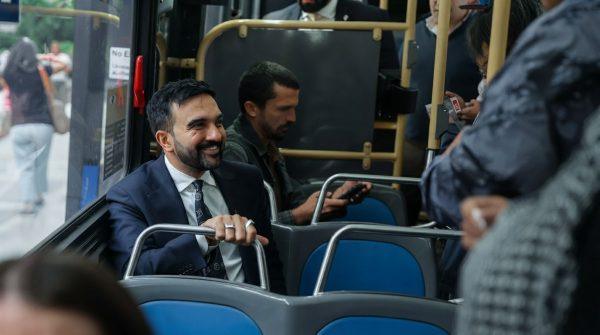
New York City is betting big on its buses. Mayor Zohran Mamdani has announced a $900 million investment to overhaul the city's aging public bus network, a move that promises to reshape daily life for hundreds of thousands of residents—especially those in Latino and Black communities across Brooklyn, Queens, and the Bronx. For many in these boroughs, the bus isn't just a convenience; it's the only affordable way to get to work, school, or the doctor.
The plan, developed in partnership with Governor Kathy Hochul's office, targets 50 priority corridors where congestion and delays have long plagued riders. By introducing an integrated rapid bus system, modernizing shelters, and deploying thousands of new eco-friendly buses, the city aims to slash commute times and improve reliability. All-door boarding will be standard by 2027, and a flagship rapid route on Flatbush Avenue is slated for completion by 2030.
Engineering Equity: The Woman Behind the Wheel
At the helm of this massive undertaking is Diniece Mendes, a civil engineer with over 12 years of experience at the Department of Transportation. A graduate of the City College of New York, Mendes brings both technical expertise and a personal mission to the project. As a Black woman, she understands firsthand how unreliable transit can undermine a family's quality of life. 'Infrastructure is about dignity,' she said in a recent interview. 'When you invest in buses, you're investing in people's ability to show up for their kids, their jobs, their futures.'
Mendes's team is using data-driven analysis to identify the most congested routes and optimize schedules. The goal isn't just to move buses faster—it's to connect riders to economic opportunities. By improving pedestrian access near commercial hubs, the project aims to boost local businesses that rely on foot traffic from bus stops. The collaboration with the Metropolitan Transportation Authority ensures that every dollar spent fuels economic development in the neighborhoods that need it most.
For Latino New Yorkers, who make up nearly 30% of the city's population and rely heavily on bus transit, this investment is long overdue. In neighborhoods like Bushwick, Sunset Park, and Corona, where many families work multiple jobs or irregular hours, a reliable bus can mean the difference between making rent or falling behind. The plan also includes installing modern shelters and seating at hundreds of stops—a small but significant upgrade for riders who often wait in rain or extreme heat.
Mendes's own journey from a mentorship program to leading a $900 million project serves as an inspiration for young engineers of color. 'Representation matters in government,' she emphasized. 'When you see someone who looks like you making decisions, it changes what you believe is possible.' Her leadership underscores a broader shift in city hall: a commitment to equity that goes beyond rhetoric.
The Mamdani administration has framed this as a cornerstone of its urban mobility vision. By prioritizing the passenger experience and social justice, the city hopes to set a global benchmark for intelligent transit. 'This isn't just about buses,' Mendes added. 'It's about building a city that works for everyone.'
As the first phase rolls out over the next four years, riders can expect tangible changes: faster commutes, cleaner vehicles, and a network that finally treats bus riders as essential to New York's heartbeat. For the Latino communities that have long been underserved, this investment is a step toward recognition—and a reminder that infrastructure can be a powerful tool for equity.