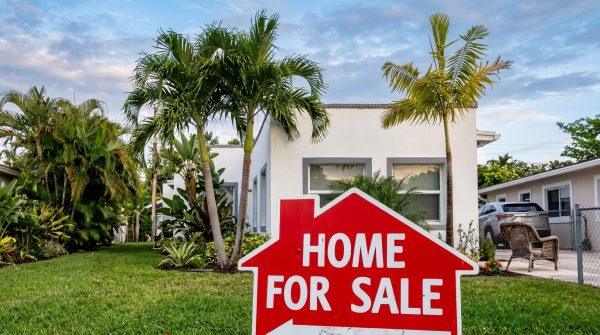
Florida voters will decide on Amendment 3 this November, a measure that promises to make homeownership more affordable by tripling the homestead property tax exemption. But for the hundreds of thousands of families who rent, the proposal could mean higher monthly payments and tighter budgets.
The amendment would raise the non-school property tax exemption from just over $50,000 to $150,000 in its first year, eventually reaching $250,000 by 2028. Supporters argue this will help more Floridians buy their first home, especially in hot markets like Miami, Orlando, and Tampa. But critics point to a glaring omission: the measure does nothing for renters, and in fact, it could make renting more expensive.
Who pays when cities lose revenue?
Local governments rely heavily on property taxes to fund essential services—police, fire, parks, libraries, and public hospitals. According to Jared Walczak, a senior fellow at the Tax Foundation, Amendment 3 could drain up to $8.7 billion in municipal revenue by 2028. To fill that gap, cities would have to either cut services or raise taxes on other properties, including commercial buildings and rental units.
Walczak's analysis of state land records shows that apartment owners could face an average $406 annual tax increase per unit, while landlords of single-family rentals might see hikes exceeding $1,000. And as any renter knows, when landlords' costs go up, they often pass those costs along. Walczak estimates that 60% to 100% of the new tax burden could be shifted to tenants, driving up annual rents by about 9% in Miami-Dade County—roughly $291 for apartments and nearly $1,200 for single-family homes.
Broward County could feel an even sharper squeeze. Its tax base leans heavily on homesteaded primary residences, so the exemption would cut deeper into the revenue pool. Landlords there could see a 15% tax increase, which would inevitably ripple into rent rolls.
No tenant protections in the fine print
Camilo Mejía, policy director at Catalyst Miami, stresses that the ballot language contains zero rent caps or tenant safeguards. “Vulnerable families are left exposed to unavoidable rent hikes,” he says. “This isn't just about homeowners; it's about the stability of entire communities.”
The lack of protections is a common thread in Florida's housing policies, which have long favored property owners over renters. As rising sea levels and climate pressures reshape coastal living, the state's housing affordability crisis is only deepening.
Supporters of Amendment 3, however, argue that the measure is a necessary step to help middle-class families achieve the American dream of homeownership. They point out that the exemption is targeted at modest homes, not luxury estates. But even if that's true, the fiscal fallout could hit renters hardest.
“The math is simple,” says Walczak. “When you cut one revenue stream, you have to make up for it elsewhere. And in Florida, that often means taxing rentals or commercial properties, and those costs get passed down.”
Public opinion is split. A University of North Florida poll shows 50% of likely voters support the measure, 35% oppose it, and 14% are undecided. The outcome will shape Florida's real estate landscape for years to come, affecting not just homeowners but also the millions of renters who call the Sunshine State home.
For Latino families, who make up a significant share of renters in Miami-Dade and Broward, the stakes are especially high. Many are already struggling with rising costs of living, and an extra $1,000 a year could push some over the edge. As other states experiment with rent control, Florida seems to be heading in the opposite direction.
If Amendment 3 passes, cities may have to make tough choices—cutting services or raising taxes on rentals. Either way, renters could bear the brunt. And with no tenant protections in sight, the burden could fall hardest on those least able to absorb it.
As the November election approaches, voters should consider not just the promise of cheaper homeownership, but the potential cost to renters across the state. The debate over Amendment 3 is really a debate about who pays for Florida's future.