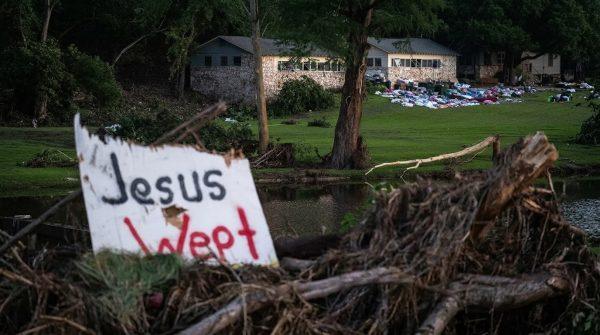
Ingram, a small Texas town of about 1,900 residents, is no stranger to hardship. After surviving deadly floods that earned it the nickname “the seven plagues,” the community now faces a new crisis—this time, not from nature, but from a local police partnership with federal immigration authorities. The agreement, part of the 287(g) program revived by the Trump administration in January 2025, has turned routine traffic stops into pathways to deportation, leaving families and businesses in a state of fear.
According to a ProPublica investigation, patrol officers in Ingram have handed over nearly 10% of the town’s population to federal agents in under a year. The program, inactive for twelve years, was reactivated with little public debate, and its impact has been immediate. By August 2026, 194 people had been transferred to ICE custody, including parents of young children and asylum seekers.
A Community on Edge
For Latino families, who make up nearly half of Ingram’s population, the once-busy Junction Highway has become a road to avoid. Patrol officer Jaron Alexander proposed joining the federal initiative to Police Chief Dustin Breshears in late 2025, and within months, traffic stops surged. In just 20 days, officers conducted 162 stops—more than in the entire previous year. The fear is palpable: a Mexican restaurant’s takeout orders plummeted from 200 to 50 daily, and some families have signed notarized guardianship documents, preparing for the possibility of detention.
The human toll is heartbreaking. On December 28, 2025, Ulices Macias was arrested, leaving behind his partner and two-week-old daughter. Cinthya Carranza, a single mother seeking asylum, was taken into custody at a car wash while on her way to pick up her children from school. These are not just statistics; they are the fabric of a community torn apart.
Denials and Justifications
Chief Breshears and Officer Alexander deny targeting Latino residents, pointing to internal statistics that they say show traffic stops align with demographic proportions. Alexander defends the use of federal funds, stating, “Accepting government money requires completing the job,” while acknowledging the emotional toll of family separations. But for many residents, the numbers tell a different story.
The task force model requires participating officers to be U.S. citizens, have two years of law enforcement experience, and complete a 40-hour online course. This grants them authority to arrest individuals suspected of lacking legal status, a power that has been wielded aggressively in Ingram. Public agency maps and city council meetings have become essential for residents to determine whether local departments have street or jail agreements, but the information is often hard to find.
Financial Incentives and Their Cost
The financial incentives behind this partnership are substantial. A September 2025 ICE release and Senator Lindsey Graham’s office detailed payments effective October 1, 2025: $100,000 for vehicles, $7,500 per officer for technology, full salary reimbursements with 25% overtime caps, and $1,000 quarterly performance bonuses. For Officer Alexander, this meant an extra $18,800 on top of his $70,000 base pay. The funds also paid for two new patrol officers and an $18,000 raise for Chief Breshears.
These incentives have turned immigration enforcement into a revenue stream, but at what cost? The impact on Latino families extends beyond arrests, affecting their access to basic services and their sense of security. The town, already struggling to rebuild after floods, now faces a different kind of devastation.
Know Your Rights
For those navigating police encounters in Ingram or any Texas town, the ACLU emphasizes that constitutional protections apply to all drivers, regardless of immigration status. Key rights include: presenting a driver’s license, registration, and proof of insurance upon request, while keeping hands visible; exercising the right to remain silent about citizenship or birthplace; and declining voluntary vehicle searches. It’s also crucial to record officer badge numbers and patrol vehicle IDs, and to contact immigration attorneys if needed.
As the community grapples with this new reality, the question remains: can Ingram recover from yet another blow? The consequences of immigration enforcement are felt far beyond the courtroom, and this town is a stark example. The partnership may bring federal dollars, but it has also brought fear, division, and a deep sense of loss.
For now, Ingram’s residents are left to navigate a landscape where a simple drive to school or work could change everything. The “seven plagues” may have been natural, but this crisis is man-made—and its effects will be felt for years to come.