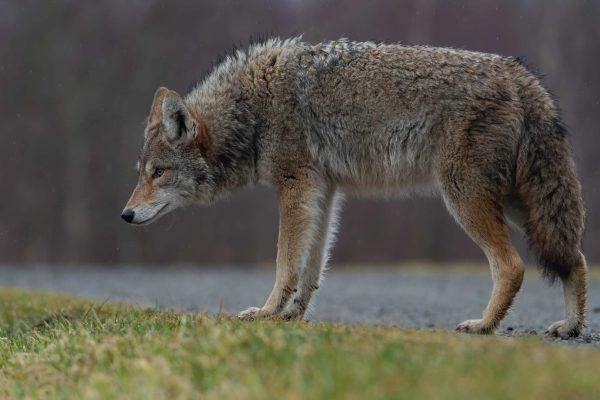
In the Los Angeles neighborhood of Atwater Village, a resident is now under criminal investigation for allegedly feeding a wild coyote over several months—a habit that ended with a 16-month-old child bitten and rushed to the hospital.
The California Department of Fish and Wildlife confirmed that DNA evidence linked the coyote to the attack, which occurred on the 3300 block of Glenhurst Avenue. Officers euthanized the animal near the scene after the incident, and lab results later matched its DNA to samples taken from the child's injuries.
Feeding gone wrong: how a wild animal lost its fear
Neighbors say the man had been putting out food for the coyote for nearly ten months, turning a normally cautious predator into a bold presence that roamed front yards, approached people, and stalked pets. Despite complaints and a visit from Los Angeles Animal Services in May, officials couldn't take action at the time because they lacked enough evidence.
“This is a classic case of habituation,” said a wildlife expert familiar with the situation. “When wild animals learn that humans mean food, they stop acting wild. That's when trouble starts.”
The attack has rattled a community that prides itself on its tree-lined streets and family-friendly vibe. Parents in Atwater Village, a neighborhood known for its mix of longtime residents and young families, are now on edge, and local leaders are calling for stricter enforcement of wildlife feeding laws.
Legal consequences under California law
California law prohibits intentionally feeding wild mammalian predators, a rule designed to keep both animals and people safe. The state is now preparing to submit an evidentiary file to the Los Angeles City Attorney's Office, which will decide whether to file formal charges against the resident.
“Feeding coyotes isn't a kindness—it's a public safety hazard,” said a spokesperson for the Department of Fish and Wildlife. “It disrupts their natural hunting instincts and creates dangerous situations for entire neighborhoods.”
This incident echoes broader challenges across California, where urban development increasingly overlaps with wildlife habitats. From the stingray surge in warm coastal waters to the vanishing beaches along the coast, the state is constantly negotiating its relationship with nature.
What residents should do if they see a coyote
Wildlife officials urge residents to never feed coyotes and to secure trash bins, remove pet food from outdoors, and keep small pets indoors or on a leash. If a coyote approaches, experts recommend making loud noises, waving arms, and standing your ground to reinforce its natural fear of humans.
“The goal is to keep coyotes wild,” said the expert. “That's what protects both them and us.”
For now, the investigation continues, and the community waits to see if charges will be filed. Meanwhile, the message from officials is clear: feeding wildlife is not only illegal—it can have tragic consequences.