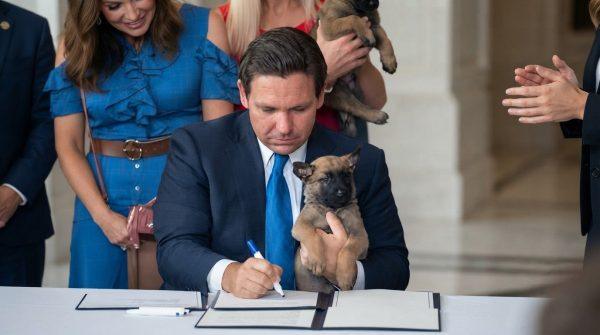
Florida has officially implemented Senate Bill 1004, a new law that significantly strengthens consumer protections for anyone buying a dog or cat in the state. Signed by Governor Ron DeSantis, the legislation introduces stricter requirements for commercial breeders and sellers, aiming to reduce fraud and ensure that families across the state—from Miami-Dade to Hillsborough—know exactly what they're getting when they bring a new pet home.
What changes for buyers and sellers
Under the new rules, sellers must provide complete medical records before any transaction is finalized. This means buyers can review vaccination history, health screenings, and any known conditions before committing. The law also extends the health warranty window for common veterinary issues from 14 to 30 days, giving new owners more time to identify potential problems and seek recourse.
“This is about protecting families and ensuring that the joy of adopting a pet isn’t overshadowed by hidden health issues or deceptive practices,” said a spokesperson from the Florida Department of Business and Professional Regulation, which oversees the implementation. The department has also introduced digital verification tools to help track animal welfare standards for each feline and canine sold.
For buyers, the new law provides clear legal remedies, including full purchase refunds and reimbursement for covered veterinary expenses if a pet falls ill within the warranty period. This is a significant step up from previous protections, which were often limited and difficult to enforce.
Broader impact on the pet market
Consumer advocates have praised the legislation as a model for other states. “Florida is setting a benchmark for transparency in the pet industry,” said María González, a consumer rights attorney in Orlando. “The combination of mandatory disclosures and extended warranties gives buyers real leverage, and it forces breeders to maintain higher standards.”
The law also includes provisions for periodic audits of commercial breeding facilities, ensuring they meet state welfare standards. Over 30 counties are updating their protocols to comply, and local consumer protection divisions are stepping up oversight.
For Latino families, who make up a significant portion of Florida’s population, this law offers peace of mind. Whether you’re in Tampa, Kissimmee, or Hialeah, the rules apply uniformly, ensuring that language barriers or lack of familiarity with the system don’t leave anyone vulnerable.
“We’ve seen too many cases where families paid hundreds of dollars for a puppy that turned out to be sick,” said Carlos Rivera, a veterinarian in Miami. “This law gives them a fighting chance.”
The state is also rolling out educational resources, including consumer handbooks in English and Spanish, to help residents understand their rights. These materials are available online and through county clerk offices, making it easier for everyone to stay informed.
While the law focuses on dogs and cats, it’s part of a broader trend in Florida toward stronger consumer protections. From minimum wage increases to innovations in transportation, the state is actively reshaping its regulatory landscape.
For now, pet buyers can breathe easier knowing that the fine print has their back. As the law takes effect, experts recommend that buyers still do their homework—ask for records, visit the breeder if possible, and keep all documentation. But with SB 1004, the odds are finally stacked in their favor.