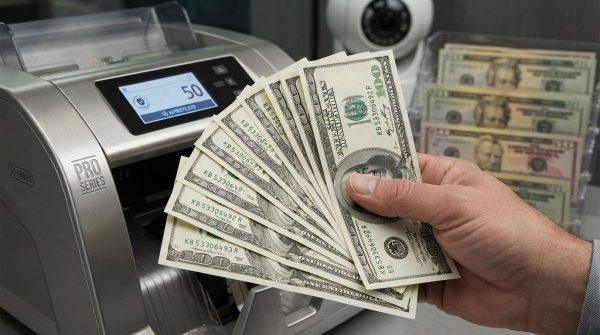
On September 30, Florida's minimum wage will climb to $15 per hour, marking the end of a gradual increase that voters approved back in 2020. The change, which was written into the state constitution, means that hundreds of thousands of workers across the Sunshine State will see a raise in their paychecks.
This final bump is the culmination of a series of annual increases that began in 2021, when the minimum wage jumped from the federal rate of $8.56 to $10 per hour. Since then, it has risen by a dollar each September, and now it reaches the $15 mark that advocates have long pushed for.
What this means for workers and employers
For employees in sectors like hospitality, retail, and food service, the increase is a welcome boost. Maria González, a server at a family-owned restaurant in Miami, told us, "It's been tough keeping up with rent and groceries. This raise helps, even if it's not a fortune."
Employers, on the other hand, are adjusting their payrolls to comply with the new mandate. The law requires that all non-tipped workers receive at least $15 an hour. For tipped workers, such as servers and bartenders, the minimum cash wage is lower—$11.25 per hour—but when combined with tips, they must still earn at least $15. If tips don't make up the difference, the employer is responsible for covering the shortfall.
This "tip credit" system has been a point of debate. Some business owners say it helps them manage costs, while worker advocates argue it can lead to unpredictable income. The state's Department of Labor enforces these rules, and violations can result in fines and legal action.
A look at the journey since 2021
- September 30, 2021: Minimum wage rises to $10 per hour.
- September 30, 2022: Increases to $11 per hour.
- September 30, 2023: Reaches $12 per hour.
- September 30, 2024: Goes up to $13 per hour.
- September 30, 2025: Hits $14 per hour.
- September 30, 2026: Reaches the final $15 per hour.
Starting in 2027, the minimum wage will no longer be set by a fixed schedule. Instead, it will be adjusted annually based on the Consumer Price Index for Urban Wage Earners and Clerical Workers, a measure of inflation calculated by the U.S. Bureau of Labor Statistics. This means future increases will be tied to the cost of living, which could be smaller or larger depending on economic conditions.
Florida is now among a growing number of states—including California, New York, and Washington—that have set their minimum wage above the federal floor of $7.25. According to the Economic Policy Institute, 19 states will have minimum wages of $15 or more by 2027. Florida's new rate places it in the middle of that group, ahead of many southern states that still follow the federal minimum.
For Latino workers, who make up a significant portion of Florida's labor force, this increase is particularly meaningful. Many work in industries like construction, agriculture, and hospitality, where wages have historically lagged. "It's a step in the right direction," says Carlos Rivera, a day laborer in Orlando. "But we still need to keep pushing for fair pay and better conditions."
The impact of the raise is expected to ripple through the local economy. Workers with more money in their pockets tend to spend more, which can benefit small businesses. However, some economists warn that higher labor costs could lead to increased prices or reduced hiring, especially for small businesses operating on thin margins.
As Florida adjusts to this new wage floor, workers are encouraged to check their pay stubs to ensure they're receiving the correct amount. The state's Department of Labor offers resources for reporting violations, and employees who believe they've been underpaid can file a complaint.
For more on how wage changes affect the broader economy, check out our piece on California's minimum wage reaching $17.40 in 2027. And if you're concerned about financial scams, our guide on avoiding money app scams might be helpful.