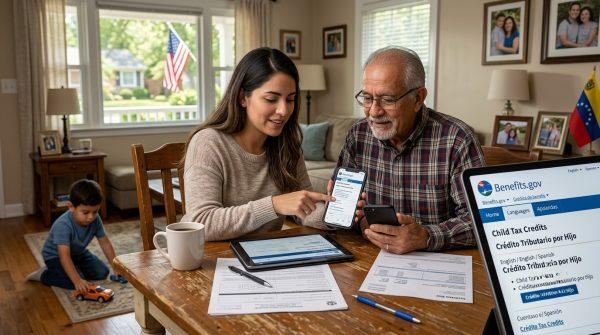
For many Latino families across the United States, stretching a paycheck to cover rent, groceries, and utilities is a daily reality. What often goes unnoticed is that federal assistance programs exist precisely to ease that burden—yet millions of eligible households never apply. According to data from Social Security agencies, a significant portion of the eligible population never completes the registration process, leaving thousands of dollars unclaimed each year.
These programs are not handouts; they are tools designed to help working families reinvest in their own well-being. The U.S. Census Bureau has highlighted how such supports reduce poverty rates in vulnerable communities, including many Latino neighborhoods in cities like Los Angeles, Houston, Chicago, and Miami. The key is knowing what’s available and how to access it.
Why So Many Families Miss Out
The main barrier is often the perceived complexity of the application process. Many people assume they don’t qualify or that the paperwork is too daunting. But the reality is that digitization has simplified things considerably. Most applications can now be completed from a smartphone in minutes, and eligibility criteria are transparent and straightforward.
Another common misconception is that these benefits are only for the unemployed or those with very low incomes. In truth, many programs target working families who earn modest wages but still struggle to make ends meet. For example, the Child Tax Credit and Earned Income Tax Credit can put thousands of dollars back into the pockets of parents who file taxes each year.
Key Programs That Make a Difference
- Child Tax Credits and Childcare Subsidies: These reduce household operating costs significantly. Properly claiming them during tax season can provide immediate relief to monthly cash flow.
- Housing and Food Subsidies: Programs like SNAP (food stamps) and Section 8 housing vouchers act as a safety net during economic fluctuations. They ensure families maintain basic stability even when inflation or job instability hits.
- Utility Assistance: Many states offer specific allocations to cover electricity and heating expenses. For instance, New York recently sent up to $200 in utility rebates to millions of households—a direct help for families in El Barrio or Buffalo.
Proactivity is essential. Checking government portals regularly and gathering required documents—like proof of income and residency—can make the difference between receiving support and missing out.
How to Maximize Your Savings
Financial experts suggest that combining multiple benefits can multiply annual savings. A family that qualifies for both health subsidies and food support can redirect the money they would have spent on those essentials into an emergency fund or long-term savings. This transforms the domestic economy, turning what was once a monthly struggle into a path toward solvency.
However, it’s important to stay updated. Agencies frequently modify income thresholds and program rules. Consulting official government websites ensures you receive the maximum amount you’re entitled to. For example, the recent SNAP benefits cuts have left many families scrambling; knowing the latest changes can help you adjust your budget accordingly.
For those in cities like San Antonio or Corpus Christi, where WalletHub ranks them among the worst for family support, federal aid becomes even more critical. Similarly, families in New York can take advantage of utility rebates to ease the burden of high living costs.
Three Steps to Secure Your Financial Future
1. Research your eligibility. Start with Benefits.gov or your state’s social services website. Many programs use income limits that are higher than people assume.
2. Gather your documents. Have your tax returns, pay stubs, and identification ready. This speeds up the process and reduces errors.
3. Apply and follow up. Submit your application online or in person. Keep copies and check the status regularly. If denied, ask why—you may qualify for an appeal or a different program.
By taking these steps, Latino families can turn federal assistance into a powerful engine for sustainable growth. It’s not about dependence; it’s about using every resource available to build a more stable future. As the saying goes, el que busca, encuentra—those who seek, find.