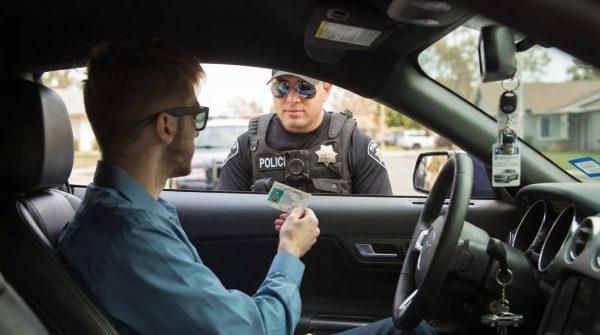
Dallas has a new tool in its fight against unpaid parking fines: the Barnacle. Starting August 24, 2026, city enforcement officers will place this bright yellow device on the windshields of vehicles belonging to drivers with three or more outstanding tickets accumulated over the past year. The goal is to collect overdue revenue while avoiding the disruption and cost of traditional towing.
The Barnacle is a heavy-duty plastic panel that covers the driver's side of the windshield, making it impossible to drive legally. It also displays a notice explaining the violation and how to resolve it. Unlike a boot, which locks a wheel, the Barnacle is lightweight and can be removed by the driver once fines are paid—but only after following the proper procedure.
How the Barnacle works
When a vehicle is flagged, an enforcement officer attaches the Barnacle securely to the windshield. The driver must then pay all outstanding fines plus a $100 immobilization fee through the city's official payment portal or by calling the dedicated support line at 469-662-0021. Once payment is confirmed, the driver can remove the device and return it to a designated drop-off location within 24 hours. Failure to do so results in the vehicle being towed to an impound lot.
City officials emphasize that this program targets chronic violators, not casual drivers who occasionally forget to feed the meter. "We're not trying to punish people for a one-time mistake," said a spokesperson for the Dallas Department of Transportation. "This is about holding accountable those who repeatedly ignore their obligations."
The Barnacle also comes with a refundable $300 credit card hold, which is released once the device is returned. For drivers facing financial hardship, the city offers payment plans through the Dallas County Courts.
Exemptions and safeguards
Not every vehicle is eligible for the Barnacle. If a car has a severely cracked windshield or an unusual body design that could be damaged by the device, enforcement officers will skip the Barnacle and proceed directly to towing. This precaution aims to prevent property damage while still ensuring compliance.
The program has drawn comparisons to other cities' efforts to manage parking debt. In Los Angeles, for example, officials have experimented with paying drivers to park less as a way to reduce congestion and violations. Dallas's approach is more direct, but it shares the goal of encouraging responsible parking behavior.
For Latino drivers in Dallas—who make up a significant portion of the city's population—this new enforcement could feel like an added burden. But city officials stress that the program is designed to be fair and transparent. "We want to give people a clear path to resolve their tickets without losing their car," the spokesperson added. "The Barnacle is a reminder, not a punishment."
As the program rolls out, drivers are advised to check for any outstanding tickets and settle them before the Barnacle appears on their windshield. The city has also set up a hotline for questions about payment, device return, or eligibility for payment plans.
This crackdown is part of a broader trend across U.S. cities to use technology to enforce parking rules. From New York's crackdown on illegal e-bike sales to Los Angeles's littering fines, municipalities are finding new ways to address urban challenges. Dallas's Barnacle program stands out for its visibility and its attempt to balance revenue collection with driver convenience.
For now, the message is clear: if you owe Dallas money for parking, the city will find a way to get your attention. And with the Barnacle, that attention is hard to ignore.