In the heart of South Los Angeles, where fast food joints and liquor stores often outnumber grocery stores, a quiet revolution is taking root. Latino families, long accustomed to the convenience of drive-thrus, are discovering a healthier alternative hiding in plain sight: community farmers markets. Since 2003, these markets have been steadily transforming the neighborhood's food landscape, offering fresh produce and nutritional guidance to residents who have historically been underserved.
The challenge is stark. According to a Dickinson College report, South LA neighborhoods have a fast food restaurant at nearly every major intersection, with liquor stores just a two-to-three-minute drive apart. Official counts tally more than 5,100 fast food establishments along the area's main commercial corridors. This overabundance of processed food options has contributed to higher rates of obesity, heart disease, diabetes, and depression compared to wealthier parts of the city.
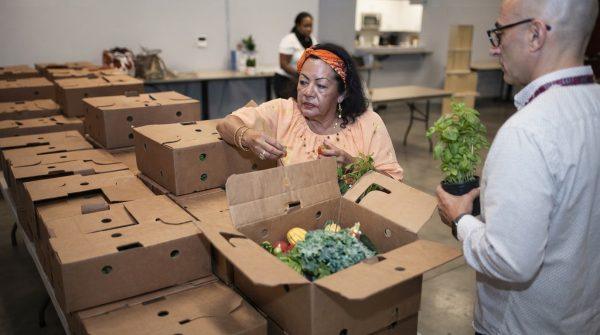
Yet, community-driven initiatives are pushing back. Organizations like Food Access LA (formerly Sustainable Economic Enterprises of Los Angeles) have established farmers markets in strategic locations, from Hollywood and Little Tokyo to Echo Park and Watts Willowbrook. These markets not only provide fresh fruits and vegetables at affordable prices but also serve as hubs for nutrition education and community support.
Empowering families through education and incentives
At the heart of these efforts are educators like Ivy Solano and Ivy Lozano, who teach participants how to overcome behavioral barriers to healthy eating. Their workshops, part of the Good Cooking program, have shown remarkable results: attendees demonstrate a 70% to 80% improvement in adopting healthier habits. This success shatters the myth that low-income communities lack interest or access to nutritious options.
Financial incentives are also key. Families can use CalFresh EBT cards and WIC FMNP checks, and the Market Match initiative doubles benefits up to $20 per day, effectively providing an additional $20 in free fruits and vegetables. This doubling of purchasing power ensures that a balanced diet doesn't strain household budgets.
The markets themselves are a testament to local agriculture's diversity. Thirteen farmers from Ventura, Riverside, and California's Central Valley bring everything from dragon fruit and passion fruit to celery, cilantro, and chiles. Producers like Víctor Hernández of Hernández Brothers Farms, originally from Santa Lucía Monteverde, Oaxaca, transport fresh harvests from a ranch in Santa Barbara County to markets in Central Avenue, Little Tokyo, and Watts, offering blackberries, blueberries, broccoli, and sweet potatoes.
For many families, these markets are more than just a place to shop—they're a lifeline. As one resident put it, "Before, we had to drive miles to find a decent tomato. Now, it's right here, and we know the farmer who grew it." This connection between grower and consumer is fostering a sense of community and trust that fast food chains can't replicate.
The impact extends beyond individual health. By supporting local farmers, these markets are bolstering the regional economy and preserving agricultural traditions that many Latino families hold dear. It's a holistic approach that addresses not just nutrition, but also cultural identity and economic resilience.
However, challenges remain. The shadow of new SNAP work rules threatens to undermine access for some families, and the ongoing threat of losing summer food benefits looms large. Yet, the community's determination is unwavering. As educators and organizers continue to expand the market network—from Compton College to Crenshaw, and into East LA neighborhoods like Atwater Village and Huntington Park—they are proving that collective action can transform even the most challenging environments.
For Latino South LA, the path to better health is not just about avoiding fast food; it's about embracing a richer, more connected way of living. And it's a journey that's just beginning.