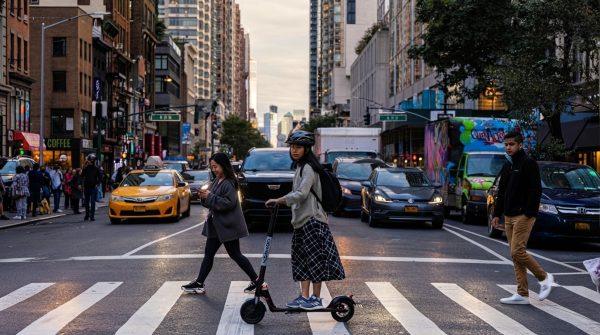
New York City is taking a hard line against the sale of illegal e-bikes and scooters, targeting the online marketplaces that supply them. Mayor Zohran Mamdani has ordered cease-and-desist notices to 42 digital retailers, demanding they stop shipping non-compliant motorized vehicles to 175 postal codes across the five boroughs. The move is part of a broader effort to curb the proliferation of devices that exceed legal speed, power, or weight limits, which officials say pose a serious threat to public safety.
What counts as illegal?
Under the city's regulations, e-bikes and scooters are considered illegal if their motors exceed 750 watts or if they weigh more than 100 pounds. Mopeds without a valid Vehicle Identification Number (VIN) are also banned from city streets. These technical specifications are not just bureaucratic details—they are the difference between a safe commute and a potential tragedy. According to the Department of Transportation, these high-powered machines are often modified to reach dangerous speeds, making them lethal in collisions with pedestrians and cyclists.
The crackdown is not just about issuing warnings. Retailers who continue to sell illegal devices face civil penalties of up to $2,000 for each violation. The city is also working with delivery worker advocacy groups like Los Deliveristas Unidos, which represents thousands of immigrant couriers who rely on e-bikes for their livelihoods. Ligia Guallpa, a community leader and executive director of the Worker Justice Project, has been vocal about the need for safe and transparent alternatives. "Workers deserve vehicles that are reliable and legal," she said in a recent statement. "We cannot let a few bad actors put everyone at risk."
The online crackdown is a significant step because it targets the source of the problem. Previously, enforcement focused on street-level inspections, but many illegal devices were being shipped directly to consumers from out-of-state or international sellers. By cutting off the supply chain, the city hopes to reduce the number of dangerous vehicles on the road. This approach mirrors similar efforts in other cities, but New York's is among the most aggressive, given the scale of the delivery economy here.
For the Latino community, which makes up a large portion of the city's delivery workforce, this issue hits close to home. Many riders are immigrants from México, Ecuador, and other Latin American countries, working long hours to make ends meet. The crackdown has sparked mixed reactions: some welcome the safety measures, while others worry about the impact on their ability to work. "We need to balance safety with the reality that these bikes are our livelihood," said one delivery worker in Queens, who asked to remain anonymous. "But we also don't want to be seen as reckless."
The city is also emphasizing education and prevention. Officials are encouraging consumers to check the specifications of any e-bike or scooter before purchasing, and to buy from reputable dealers who comply with local laws. The Department of Transportation has published guidelines on its website, and community organizations are hosting workshops to inform riders about the rules. The goal, according to city officials, is not to punish workers but to create a safer environment for everyone.
This crackdown comes at a time when e-bike usage is surging across the city, driven by the growth of food delivery apps and a push for greener transportation. But the rise in popularity has also led to an increase in accidents, some of them fatal. In 2023, at least 23 people died in e-bike-related crashes in New York City, according to city data. The new measures are designed to address that trend, but they also raise questions about enforcement and equity.
For now, the city is taking a firm stance. The cease-and-desist orders are just the beginning, and officials say they will continue to monitor online marketplaces and take action against repeat offenders. As the situation evolves, it will be important to watch how this affects the delivery industry and the workers who depend on it. For more on how cities are grappling with the e-bike boom, check out our coverage of similar regulatory crackdowns in other sectors.
In the meantime, riders and retailers alike are urged to stay informed and compliant. The city's message is clear: safety comes first, and the rules are not optional. Whether you're a delivery worker in Washington Heights or a store owner in Sunset Park, understanding these regulations is essential. As the city continues to adapt to the e-bike era, one thing is certain—the days of unchecked sales are over.