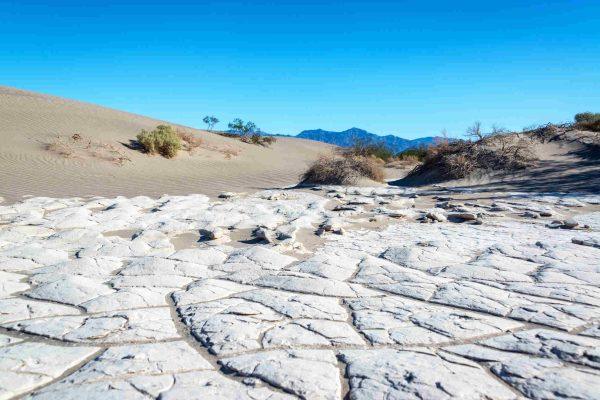
California's future water crisis isn't just about how much rain falls—it's about how fast the heat steals it back. The state's Fifth Climate Change Assessment, released this year, delivers a sobering message: even if annual rainfall totals hold steady, rising temperatures will evaporate water more quickly, leaving soils drier and reserves thinner. The result? Worse droughts that hit harder and last longer, especially across the North Coast.
Heat, not just rain, drives the new drought reality
Scientists behind the assessment explain that the core problem is a shift in when and how precipitation arrives. Winters will bring more intense downpours, while springs and autumns turn increasingly arid. That means longer stretches of dry, hot weather that evaporate moisture before it can soak into the ground or refill reservoirs. In essence, the state could receive its average annual rainfall and still face severe water shortages.
This isn't a distant scenario. The report points to the North Coast—counties like Del Norte, Humboldt, Lake, Mendocino, Siskiyou, and Trinity—as ground zero for the coming changes. These areas, known for their forests and rugged coastline, will see wildfire seasons stretch longer as dry air and heat persist. And paradoxically, the same conditions that dry out the land will also set the stage for more destructive winter floods, as atmospheric rivers slam into soils hardened by months of drought.
A dangerous domino effect: fires and floods
The combination of prolonged fire risk and intensified flooding is a one-two punch that worries officials. The report warns that the North Coast's forests, already stressed by decades of fire suppression and climate stress, could become tinderboxes for much of the year. Then, when the rains finally come, they may arrive as violent storms that overwhelm the parched ground, triggering mudslides and flash floods.
Adding to the threat is rising sea levels. Humboldt Bay has already seen a 30-centimeter increase since 1970, and that trend is accelerating. Coastal infrastructure—roads, bridges, and habitats—faces growing pressure from both storm surges and the slow creep of the ocean inland. The report highlights the fragility of coastal highways as a tangible example of what's at stake.
Rural and tribal communities on the front lines
While the entire state will feel the effects, the assessment underscores that rural and tribal communities are especially vulnerable. These areas often rely on aging water systems and limited emergency services, making them less able to bounce back from disasters. The Governor's Office of Land Use and Climate Innovation, which directed the research, is now working to integrate the voices of tribal leaders and local experts into a survival plan—a first for a state climate assessment.
For many Latino families in these regions, many of whom work in agriculture or depend on natural resources, the stakes are personal. The report calls for urgent investments in infrastructure and emergency preparedness, but it also acknowledges that funding has historically lagged in these communities. As one state official put it, "We can't wait for the next disaster to prove the point."
The findings echo broader concerns about water and climate across the West. In neighboring states, similar pressures are emerging, from data centers straining water supplies in New Mexico to AI facilities along the Texas-New Mexico border. California's experience may well become a template for the region.
Key takeaways from the assessment
- Evaporation acceleration: High temperatures rapidly evaporate available water, canceling out the benefits of winter rainfall.
- Seasonal shift: Winters will see more intense downpours, while springs and autumns become drier, extending the dry season.
- Sea level rise: Humboldt Bay has risen 30 centimeters since 1970, threatening coastal infrastructure.
For California's Latino communities, many of whom have deep ties to the land and its resources, this report is a call to action. It's not just about policy—it's about protecting homes, livelihoods, and a way of life. As the state prepares for a hotter, drier future, the message is clear: preparation and science are our best defenses against the inevitable changes ahead.