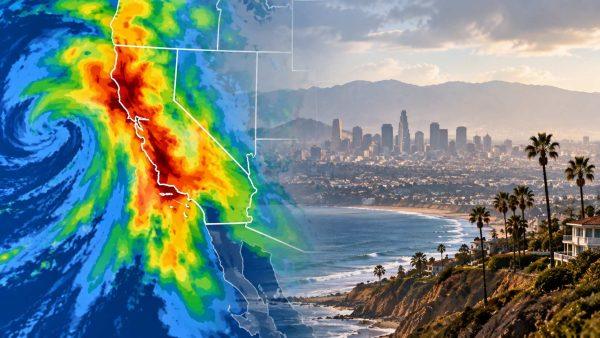
California is bracing for a winter that could bring relentless storms, flooding, and landslides. Governor Gavin Newsom declared a statewide state of emergency on September 21, citing a rapidly intensifying El Niño that raises the odds of a particularly wet and disruptive season. The state now puts the chance of a very strong El Niño this fall and winter at over 90%, with a 75% probability it reaches historic strength.
For residents across the Golden State, the question isn't if but when the worst will hit. While there's no single date for a mega-storm, forecasters offer a clearer window: Southern California could see wetter conditions as early as November and December, while the strongest statewide signal for above-normal precipitation currently falls between January and March. Some seasonal models extend the wetter pattern from December through April.
That doesn't mean California will be slammed by one enormous storm in January. El Niño reshapes large-scale atmospheric patterns, steering repeated Pacific storms toward the coast. Forecasters can't pinpoint exactly when an individual storm will arrive or how powerful it will be this far out. Seasonal forecasts show increased probabilities, not guarantees.
Why declare an emergency now?
The unusually early declaration is designed to buy time. Newsom's order allows agencies to pre-position sandbags, pumps, road-closure equipment, and snow-removal gear, while preparing the California National Guard for potential flood response, rescues, and logistical support. Officials are particularly concerned about flooding, landslides, debris flows, strong winds, large waves, and coastal flooding if powerful storms develop.
This proactive approach mirrors the state's response to past climate extremes. As Super El Niño reshapes winter weather across the Southwest, California is taking no chances. The emergency declaration doesn't mean disaster is certain; it means officials see enough risk in the developing El Niño to prepare before the most consequential part of winter arrives.
For Latinos across California—from the farmworkers in the Central Valley to the communities in East Los Angeles and the Bay Area—this winter could bring significant challenges. Many families already face economic pressures, and a severe storm season could disrupt livelihoods, housing, and daily life. The state's emergency measures aim to protect all residents, but especially those in vulnerable areas prone to flooding and mudslides.
Forecasters emphasize that the January-to-March window is the one to watch most closely. That's when the jet stream is most likely to align, directing a series of atmospheric rivers toward the West Coast. These rivers of moisture can drop enormous amounts of rain and snow, leading to rapid snowmelt and flooding in lower elevations.
While the emergency declaration is a precaution, it's a serious one. California has experienced devastating floods before, and the memory of past disasters—like the 2017 Oroville Dam crisis or the 1997 New Year's floods—looms large. The state is also still recovering from years of drought, which can make the landscape more susceptible to erosion and debris flows.
For now, residents are advised to stay informed and prepare their own emergency kits, especially those in flood-prone zones. The state's action is a reminder that in an era of climate change, extreme weather is becoming more common, and preparation is key.
As the season unfolds, all eyes will be on the Pacific. Whether this Super El Niño lives up to its billing remains to be seen, but California is making sure it's ready for whatever comes.