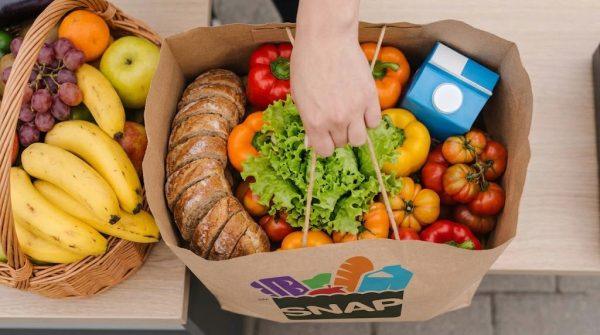
New York City has opened a new window for thousands of residents to reapply for SNAP benefits, offering a lifeline to households that lost food assistance due to federal work requirements. The city’s Human Resources Administration (HRA) confirmed that eligibility reopened on October 1, 2026, allowing affected individuals to update their files and verify their qualifications through the ACCESS HRA portal.
The move comes after the activation of a federal compliance cycle that has already impacted many vulnerable families across the five boroughs. Under the new rules, which stem from legislation signed by President Donald Trump and took effect in March, able-bodied adults without dependents must meet work or study requirements to keep their benefits. Those who failed to comply for three months began losing their vouchers in June, creating a ripple effect that hit single young men particularly hard.
City launches massive outreach to prevent food insecurity
To counter the impact, the administration of Mayor Zohran Mamdani has deployed a robust outreach strategy. Community teams have visited over 10,000 homes and made 40,000 phone calls since January, aiming to connect with residents who may not be aware of their options. The city has also partnered with more than 100 organizations across all boroughs to spread the word and offer in-person guidance.
“Direct intervention successfully halted mass subsidy losses and protected the nutritional support of over 98% of eligible participants citywide,” said a spokesperson from the Mayor’s Office. The city’s Social Services Department added that virtual seminars, nearly 50 training sessions, and over 40 community events have reduced the projected benefit loss figure by 65%.
For many Latino families in neighborhoods like Washington Heights, Corona, and Bushwick, these benefits are not just a monthly check—they are a buffer against food insecurity. The city’s efforts are especially critical as the cost of living continues to climb, and food bank demand has surged in recent months.
How to reapply and secure your benefits
If you lost your SNAP benefits or had a household member removed from your case, here’s what you need to know:
- Complete reapplication: If your entire case was closed, you must submit a new application through the ACCESS HRA portal.
- Reinstating excluded members: If you still receive benefits but a member was removed, you can request a case modification online.
- Exemptions for health or caregiving: If you have a medical condition or care for an incapacitated dependent, call the official hotline at 718-SNAP-NOW (718-762-7669) to request an exemption.
- Work and study requirements: You must certify at least 20 hours per week (or 80 hours per month) of paid work, approved study, or accredited training.
- Volunteering counts: Community service at authorized organizations can also count toward your hours, based on the grant amount you receive.
Once you’re back on the program, you’ll get a three-month grace period before any risk of suspension. The first wave of reductions under this 36-month cycle is scheduled for January 2027, so it’s crucial to formalize your claim before then. The federal regulation period will remain active until September 30, 2029.
City officials stress the importance of staying engaged. “Hosting virtual seminars, nearly 50 training sessions, and over 40 community events reduced the projected benefit loss figure by 65%,” said a representative from the Social Services Department. They urge residents to keep up with their work or study commitments to avoid losing coverage when the grace period ends.
For those who need extra help, the city has set up dedicated phone lines and in-person sessions to guide applicants through the process. Community advocates are also working to ensure that no one falls through the cracks, especially in high-need areas. If you’re unsure about your eligibility or need help with the paperwork, don’t hesitate to reach out.
This reopening is a second chance for many, but it’s not permanent. With the next deadline looming, acting now is key. And for those worried about the broader impact, remember that other benefit programs may also face changes in the coming year, so staying informed is more important than ever.