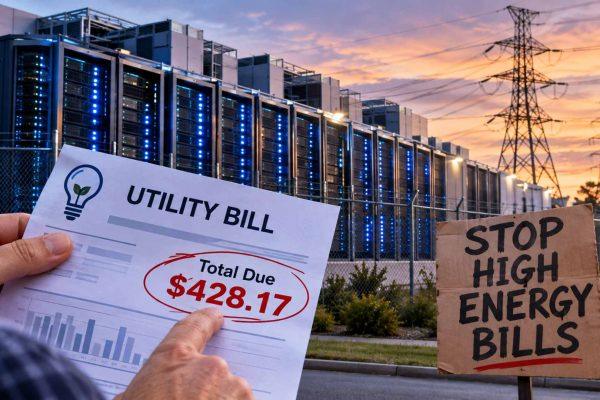
The recent midterm elections have reshaped the political landscape for the tech industry, especially for the massive data centers that power artificial intelligence. Voters in states like Texas, Ohio, Nevada, Wisconsin, and Georgia sent a clear message: they want stricter oversight of these energy-hungry facilities, which have been blamed for rising electricity bills and strain on local water supplies.
According to post-election analysis, 32 of the 34 incoming governors support tougher operational constraints on AI data centers, and 12 have endorsed immediate construction moratoriums. This marks a significant shift from the previous era of tax breaks and fast-tracked permits for tech developers.
Voter frustration drives policy change
In drought-prone agricultural regions, the issue hit home. Residents worried about municipal water supplies and utility rates turned out in force, favoring candidates who promised to protect local resources over those offering incentives to computing conglomerates. The result is a political environment where data center projects will face new hurdles, from stricter permitting to mandatory community input.
This pushback is not entirely new. Earlier this year, voters across 29 U.S. jurisdictions pushed back on data centers, stalling AI expansion in several regions. Now, with governors-elect ready to act, the industry is bracing for a more regulated future.
Market jitters and corporate responses
The financial markets have taken notice. Tech-heavy stock indexes dipped as analysts predicted project delays in major data center markets. The uncertainty has led industry groups and major AI developers to release updated community commitment frameworks, aiming to establish national standards that guarantee ratepayer protections and municipal consent. These proposals are an attempt to preserve local trust while avoiding complete moratoriums on critical digital infrastructure.
For Latino communities, many of whom live in states like Texas and Nevada where data centers are concentrated, the impact is direct. Rising electricity bills have hit working families hard, and the debate over AI's energy footprint is not just a tech issue—it's a household issue. As one advocate noted, "Families shouldn't have to choose between keeping the lights on and supporting innovation."
Balancing innovation and grid limits
The new legislative landscape forces the AI sector to reconcile its massive computing demands with regional energy capacity. Incoming state executives in traditional tech hubs have asserted that future facility permits will require direct community input and proven local economic value. This means developers will need to demonstrate how their projects benefit the community, not just their bottom line.
The Texas election results signal new hurdles for AI data centers, and other states are likely to follow suit. The challenge for the industry is to navigate this stricter regulatory framework while still expanding computing capacity. It's a delicate balance, and the coming months will reveal how effectively developers can adapt.
For now, the message from voters is clear: they want accountability. As the stock market plunges after midterms on tech regulation fears, the industry is on notice. The era of unchecked data center growth may be coming to an end, replaced by a more measured approach that weighs economic benefits against community well-being.