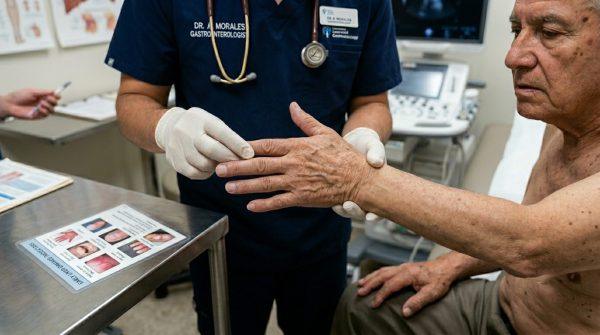
Your hands might be telling you something important about your liver health. While liver problems often develop silently, subtle changes in your hands can serve as early warning signs. Recognizing these indicators can lead to timely medical intervention and better outcomes.
Five Hand Signs to Watch For
Palmar erythema appears as a reddish discoloration on the palms, especially at the base of the thumbs and pinkies. This occurs when blood vessels dilate due to compromised liver function. If you notice persistent redness in these areas, it's worth discussing with your doctor.
Clubbing involves thickening of the fingertips and unusual curving of the nails. This sign is often linked to advanced cirrhosis or chronic liver damage, sometimes from excessive alcohol consumption. The Cleveland Clinic notes that clubbing requires thorough diagnostic evaluation.
Asterixis causes involuntary tremors or jerking when you hold your hands outstretched. This happens when the liver fails to remove toxins from the blood, affecting muscle control. Johns Hopkins Medicine describes this as a neurological warning that needs urgent attention.
Koilonychia makes nails thin and concave, like a spoon. This can indicate hemochromatosis, a condition where iron overload damages the liver. The American Academy of Dermatology recommends serum iron tests if you notice this change.
Terry's nails turn mostly white with a narrow pink band at the tip. While not exclusive to liver disease, this pattern often accompanies cirrhosis, heart failure, or diabetes. A complete hepatic profile can help rule out fibrosis or metabolic issues.
These signs don't automatically mean you have liver disease, but they warrant a conversation with a healthcare professional. Early detection through simple observation can dramatically improve prognosis. As the National Institutes of Health emphasizes, knowing these clinical signs allows for timely intervention.
For Latinos in the US, liver health is especially important. Conditions like fatty liver disease are more common in our communities, often linked to diet and genetics. If you're concerned, consider reading about fatty liver disease and its impact on Latinos.
Remember, your hands are a mirror of your internal health. Pay attention to changes, but always seek professional medical advice for an accurate diagnosis. Your liver—and your overall well-being—will thank you.