As the summer winds down, parents across the United States are bracing for one of the most expensive back-to-school seasons on record. This year, the average family will shell out nearly $4,000 per student, a figure that has many Latino households—especially those with multiple children—scrambling to balance budgets just weeks before classes resume.
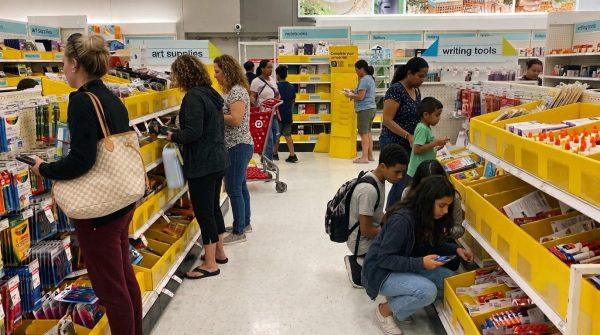
The financial strain is not just about new sneakers or trendy backpacks. According to data from The Century Foundation and Groundwork Collaborative, the bulk of that $4,000 goes to essentials: $175 for traditional school supplies and a staggering $3,800 for lunches prepared at home over the academic year. Prices for supplies have jumped 8% compared to last year, while the cost of packing lunches has risen 11%, putting additional pressure on families who are already navigating tight grocery budgets.
Why costs are climbing
Several factors are driving these increases. Tariffs on imported goods—like notebooks, pens, and adhesives—are raising retail prices, and supply chain disruptions continue to create obstacles for manufacturers and distributors. These added costs are passed directly to consumers, making it harder for working-class families to afford basic school materials.
Energy and transportation expenses are also playing a role. Higher petroleum prices increase the cost of manufacturing and shipping everything from pencils to packaged foods. For families, this means every trip to the store for school supplies or groceries hits a little harder. Understanding these macroeconomic drivers can help consumers anticipate price fluctuations and adjust their shopping strategies accordingly.
In response, many households are cutting back on non-essential spending—skipping entertainment, dining out, and leisure activities—to free up cash for educational necessities. This trend reflects a broader inflationary pressure affecting the entire U.S. retail sector, but it is especially acute for Latino families, who often have less financial cushion to absorb these shocks.
Debt and difficult choices
Surveys from Credit Karma indicate that 45% of parents expect to go into debt to cover mandatory educational expenses. Deloitte reports that half of all families plan to reduce discretionary spending to afford supplies. Retail data also shows a rise in installment payment plans and credit card usage among parents managing multiple children.
For many, credit card debt has become an unavoidable reality. With savings often insufficient to cover the full bill, families are turning to plastic to bridge the gap. This is a worrying trend, as high-interest debt can create long-term financial strain.
But there is hope. Communities are stepping up to help. Tax-free weekends, where states waive sales tax on school supplies, offer significant savings. Many local organizations and nonprofits also host backpack giveaways and supply drives. For example, free school supplies for LA families are available through various programs this summer, and New York families can find free backpacks and supplies in August.
Additionally, some cities are exploring innovative solutions to reduce family costs. New York's municipal grocery stores aim to cut family food costs by $1,000 a year, which could ease the burden of lunch expenses. And for those looking ahead, back-to-school 2026 resources are already being planned.
As the new school year approaches, it's clear that the cost of education is rising faster than many family budgets can keep up with. But by planning ahead, taking advantage of available resources, and supporting one another, Latino families can navigate these challenging times. After all, our children's education is worth the investment—but it shouldn't come at the cost of financial stability.