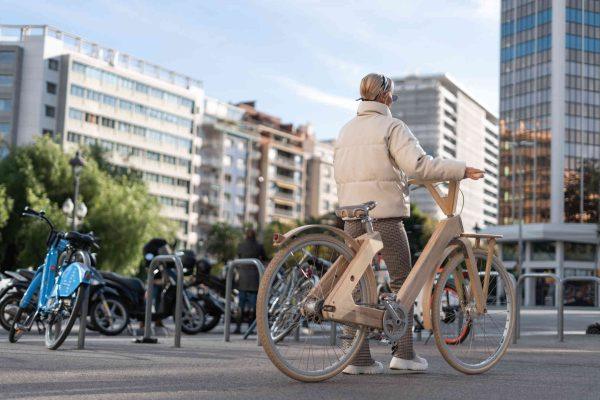
Electric bicycles have become a common sight on California streets, especially among teenagers. But a sharp rise in serious accidents — including fractures and trauma reported in Southern California hospitals — has pushed state authorities to tighten the rules. For Latino families, many of whom rely on e-bikes for affordable transportation or recreation, understanding these new regulations is crucial.
One of the biggest misconceptions is that all e-bikes are treated the same under the law. In reality, California classifies them into three categories based on speed and motor function. A standard e-bike, for instance, can't exceed 20 miles per hour on motor power alone. But many devices sold online or modified at home can reach highway speeds, legally turning them into electric motorcycles. That means the rider needs a driver's license, registration, and insurance — requirements most minors don't meet.
Parents who buy these faster models without checking the specs could be held responsible. The California Highway Patrol has been clear: if your child is caught on a modified e-bike that exceeds legal limits, you could face fines and even civil or criminal liability. This is especially important for families in cities like Los Angeles, San José, and Sacramento, where e-bike use is booming.
What the law says about parental responsibility
California law doesn't just target the rider. If a parent knows their child is riding a modified e-bike or breaking speed limits and does nothing, they can be held legally accountable. Specialists recommend setting clear household rules: require helmets and protective gear at all times, and use apps or GPS trackers to monitor speed and location. Some tech companies have even stopped selling certain e-bike models that can be easily altered to go faster.
For Latino parents, this is a moment to get informed. Many of us come from countries where bike laws are less strict, and the transition to California's system can be confusing. But the stakes are high. Beyond the legal risks, there's the real danger of a child ending up in the emergency room. Medical reports show e-bike injuries have skyrocketed, with many cases involving severe head trauma and multiple fractures.
If you're considering buying an e-bike for your child, start by checking the official classification. Look for a sticker or label that says it's a Class 1, 2, or 3 e-bike. Avoid any model that claims to be an e-bike but can go over 28 miles per hour — that's likely an electric motorcycle. And remember, even Class 3 e-bikes, which can go up to 28 mph, are only legal for riders 16 and older.
For families already dealing with the high cost of living in California, e-bikes can be a smart alternative to cars. But they come with responsibilities. The same way we teach our kids to drive safely, we need to teach them e-bike rules. And that starts with knowing the law ourselves.
For more on how California's policies affect Latino families, check out our coverage of how the new recycling law will raise grocery bills and tax credits available for immigrant entrepreneurs.