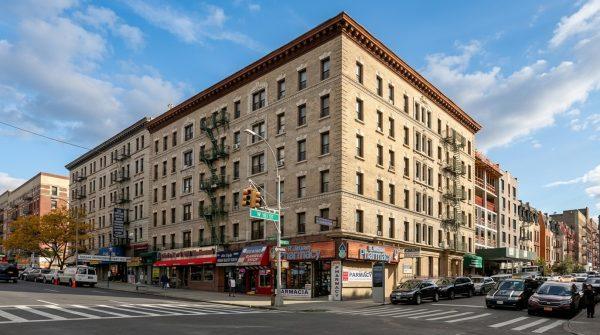
For many families across the Bronx, the search for a rental that balances affordability with safety is a daily puzzle. The borough's housing market offers a wide range of options, but navigating it requires more than just a quick scroll through listings. It means understanding the nuances of each neighborhood, from the quiet, tree-lined streets of Riverdale to the more bustling corridors of Hunts Point.
According to recent data, the average rent in the Bronx hovers around $1,632 per month. But that figure masks significant variation. While some northern enclaves boast luxury amenities and higher price tags, southern areas often present more budget-friendly choices, each with its own security profile. The key is to dig into the numbers—not just the rental listings, but also the crime statistics that paint a fuller picture.
Where the numbers look good
The New York Police Department's CompStat reports offer a granular look at crime trends. For renters, two precincts stand out. The 50th Precinct, covering Kingsbridge, Marble Hill, and Riverdale, has seen a major crime decrease of over 20%. Riverdale, with its upscale feel, commands rents as high as $2,805 for a one-bedroom. But Kingsbridge, just a few blocks away, offers a more balanced alternative at around $1,788, with excellent subway access that makes commuting a breeze.
In the southern part of the borough, the 41st Precinct—which includes Longwood and Hunts Point—ranks as the second safest, with a 9% drop in major crimes. Rents here are more moderate, but experts advise renters to stay alert to street-level variations and to check local transit links. It's a reminder that a precinct's overall stats don't always reflect the conditions on a single block.
Budget-friendly picks with a caveat
For those watching their budget, Wakefield in the northeast offers one-bedroom apartments around $1,515, according to Apartments.com. But Wakefield falls under Precinct 47, which has seen periodic upticks in certain crime categories. That doesn't mean it's unsafe—just that you should do your homework. Security experts suggest visiting the neighborhood at different times of day, talking to residents, and even attending a local precinct meeting to get a feel for the area.
It's also wise to compare the rent you're quoted against the borough average. Some landlords include utilities in the monthly bill; others don't. Knowing what's included can save you from unpleasant surprises. And don't forget to factor in your commute—a slightly higher rent might be worth it if it means a shorter, more reliable trip to work or school.
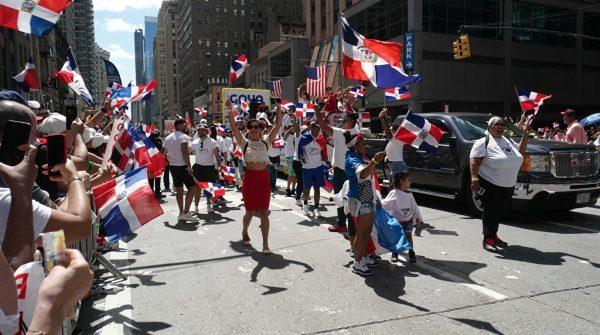
For Latino renters, the Bronx has always been a cultural anchor, from the vibrant sounds of bachata in Kingsbridge to the Dominican flavors of Hunts Point. As you search, remember that safety isn't just about crime stats—it's about feeling at home. Community organizations can be a great resource, offering guidance on tenant rights and neighborhood resources.
If you're also thinking about your long-term financial health, you might want to check out our tips on financial independence. And if you're concerned about the recent surge in foreclosures affecting Latino homeowners, our coverage of that issue provides context that could influence your renting vs. buying decision.
Ultimately, the right neighborhood is out there. It just takes a bit of patience, a willingness to dig into the data, and a clear sense of what you need. The Bronx is a borough of resilience and community, and with the right approach, you can find a place that feels both safe and like home.