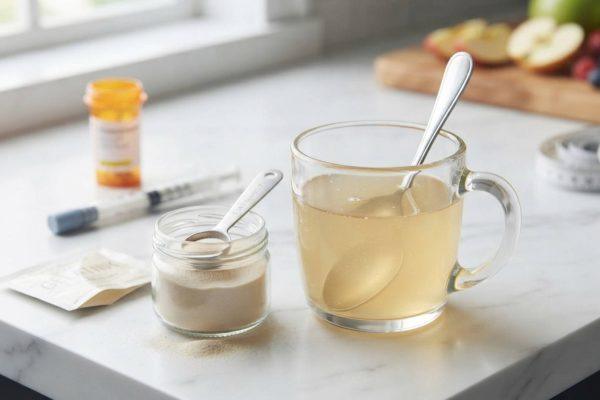
Across TikTok, Instagram, and YouTube, a new weight-loss hack is making the rounds: dissolving unflavored gelatin in warm water and drinking it before meals. Dubbed “natural Ozempic,” the trick promises to curb appetite and help you eat less—without the cost of prescription medications. But nutrition experts across the Americas are pushing back, warning that this homemade concoction is far from a safe or effective solution.
Why gelatin water isn't the miracle it seems
Gelatin is derived from collagen, an incomplete protein. When dissolved in warm water, it forms a thick, viscous liquid that can temporarily fill the stomach, creating a brief sense of fullness. However, that effect fades quickly—often within 30 minutes—leaving you hungrier than before. Unlike medications like Ozempic, which work on hormonal pathways to regulate appetite, gelatin simply occupies physical space. It doesn't provide lasting satiety or nutritional value.
“This is not a substitute for real treatment,” says María Fernanda Gómez, a nutritionist in Bogotá. “It's a quick fix that can backfire, leading to overeating later.” The rebound hunger can be intense, and relying on this trick may disrupt your natural hunger cues.
Hidden risks for your digestive health
Beyond the lack of nutrients, consuming large amounts of gelatin without proper planning can displace whole foods that your body needs. This can lead to vitamin and mineral deficiencies over time. Digestive issues like bloating, gas, and stomach discomfort are also common side effects, especially if you're not used to high-protein gels.
“The real danger is that people replace a balanced meal with this gelatin drink,” warns Carlos Ruiz, a dietitian in México City. “Your body needs fiber, healthy fats, and complex carbohydrates—not just a temporary gel.”
What to do instead of chasing viral trends
Instead of gambling on unproven hacks, experts recommend focusing on sustainable habits: eat a diet rich in whole foods, include high-quality proteins like beans, eggs, and lean meats, and stay consistent with physical activity. If you're struggling with weight, consult a healthcare professional who can guide you based on your individual needs.
This isn't the first time a viral trend has promised quick results. From affordable beauty hacks to kitchen-based wellness tips, social media is full of shortcuts that often miss the mark. And with AI scams targeting Latinos, it's more important than ever to be skeptical of anything that sounds too good to be true.
Ultimately, there's no substitute for a balanced lifestyle. As Gómez puts it, “Your body deserves better than a gelatin trick. Nourish it with real food, and it will thank you in the long run.”