Fatty liver disease is quietly affecting millions of Latinos across the United States, often without any warning signs until it's too late. This metabolic condition, known medically as non-alcoholic fatty liver disease (NAFLD), occurs when excess fat builds up in liver cells, impairing the organ's ability to filter toxins and process nutrients. For many in our community, the diagnosis comes as a shock during routine blood work, long after the damage has begun.
The numbers are sobering: studies show that Latinos in the US have some of the highest rates of fatty liver disease, driven by a combination of genetic predisposition, dietary habits, and higher prevalence of related conditions like obesity and type 2 diabetes. In cities like Los Angeles, Houston, and Chicago, where large Mexican-American, Puerto Rican, and Central American communities reside, the condition is becoming a public health priority.
Why Latinos Are at Higher Risk
Medical research points to several factors that make Latinos particularly vulnerable. Obesity and type 2 diabetes are the primary triggers, but high blood pressure, elevated LDL cholesterol, and high triglycerides also significantly increase the odds. For many in our community, these conditions are interconnected, creating a perfect storm for liver damage. The liver's job is to filter blood, metabolize fats, and store energy; when it's overloaded with fat, it struggles to perform these essential functions.
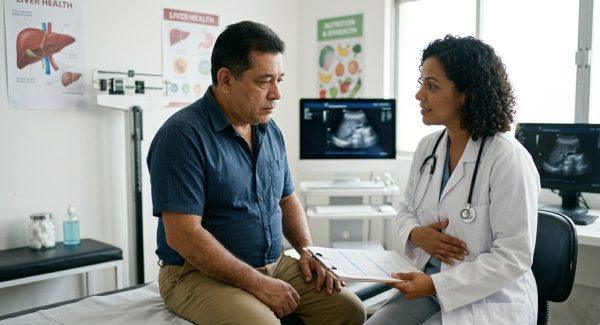
What makes fatty liver disease especially dangerous is its silent progression. Most people experience no symptoms in the early stages. As one gastroenterologist in Miami explains, “Patients often come in for something else entirely—a routine checkup or a diabetes follow-up—and we find elevated liver enzymes. They're shocked because they feel fine.” This lack of early warning signs means that by the time symptoms appear, the liver may already be inflamed or scarred.
Recognizing the Warning Signs
When the condition advances to non-alcoholic steatohepatitis (NASH), which involves inflammation and liver cell damage, the body begins to show physical signs. These include extreme fatigue, a dull ache in the upper right abdomen, loss of appetite, unexplained weight loss, jaundice (yellowing of the skin and eyes), and fluid retention in the legs or abdomen. If you or a family member experience any of these, it's crucial to see a doctor immediately.
For Latinos, cultural factors can sometimes delay care. In many families, there's a tendency to downplay symptoms or rely on home remedies. But fatty liver disease is not something to ignore. The good news is that the liver has an amazing capacity to regenerate if caught early. The key is lifestyle change.
Reversing the Damage: Diet and Exercise
Scientific evidence is clear: the most effective treatment for fatty liver disease is a combination of dietary restructuring and regular physical activity. This means cutting out sugary drinks, refined carbohydrates, and highly processed foods—staples that are often cheap and convenient in many Latino households. Instead, focus on whole foods: vegetables, lean proteins, healthy fats like avocado and olive oil, and complex carbohydrates from beans and whole grains.
Exercise is equally important. Aim for at least 150 minutes of moderate activity per week—think brisk walking, cycling, or swimming. For many in our community, this can be as simple as taking a daily walk in the neighborhood or joining a local soccer league. Consistency matters more than intensity. As one nutritionist in San Antonio puts it, “You don't need to run a marathon. Just move your body every day, and your liver will thank you.”
For those looking for additional support, some US cities are offering innovative programs. For example, Florida's longevity clinics are attracting Latinos seeking to reverse biological aging through comprehensive health plans that include liver health. Meanwhile, free tech certifications are opening doors to six-figure salaries, which can help families afford better nutrition and healthcare.
It's also worth noting that fatty liver disease is not just a personal health issue—it's a community concern. When one family member is affected, it often reflects broader dietary and lifestyle patterns. That's why initiatives like genetically modified mosquitoes in California to fight disease are part of a larger conversation about public health in Latino communities. But for now, the most powerful tool is awareness.
If you're Latino and over 40, or if you have a family history of diabetes or obesity, talk to your doctor about getting a simple blood test to check your liver enzymes. Early detection can mean the difference between a reversible condition and irreversible cirrhosis. Your liver works hard for you every day—it's time to return the favor.