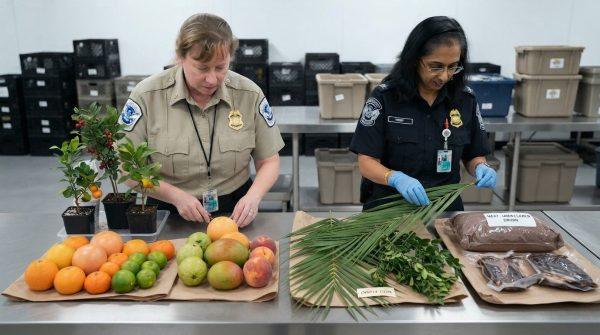
Crossing from México into the United States with a bag full of groceries or homemade treats might seem harmless, but U.S. Customs and Border Protection (CBP) has a long list of foods you simply cannot bring. The rules are designed to protect American agriculture from pests and diseases that could hitch a ride on fresh produce, meats, or plants. For bicultural Latinos who travel frequently between both countries, knowing what's forbidden can save you from hefty fines and the embarrassment of having your belongings seized at the border.
In 2026, the regulations remain as strict as ever. The U.S. Department of Agriculture (USDA) and the Animal and Plant Health Inspection Service (APHIS) work alongside the Food and Drug Administration (FDA) to monitor every port of entry. Whether you're flying into Los Angeles, driving through El Paso, or crossing at San Diego, agricultural officers are trained to spot high-risk items. The goal is to prevent harmful organisms—like fruit flies, fungi, or bacteria—from entering the country and threatening local crops.
What's on the Forbidden List
The most common items that travelers try to bring from México include fresh fruits like oranges, grapefruits, tangerines, and sweet limes. Tropical fruits such as guavas, mangoes, and peaches are also prohibited. These fruits can carry pests that devastate citrus groves in states like Florida and California. Similarly, plants linked to citrus or those with attached berries are subject to inspection and often denied entry. Palm fronds and myrtle branches also raise red flags.
Meat and meat products of undeclared origin are a major no-go. This includes everything from carnitas to chorizo if you can't prove where they came from. The risk of diseases like African swine fever or foot-and-mouth disease is real, and CBP takes no chances. Even processed items like sausages or dried meats may be confiscated if they lack proper documentation.
But not everything is off-limits. Bread, crackers, cereals, candy, chocolate, and cured cheeses are generally allowed, as long as you declare them to customs officers. The key is transparency. Officers will inspect these items to ensure they contain no prohibited ingredients. A little honesty goes a long way in making your entry smoother.
How to Stay Informed
The USDA offers a digital tool called the ACIR (Agricultural Commodity Import Requirements) database. Travelers can check the admissibility of specific products before their trip. This resource is invaluable for anyone planning to bring food from México, whether it's a bag of mangoes from Veracruz or a block of queso fresco from Jalisco. By using the database, you reduce the risk of seizures and fines.
Regulations can change quickly based on international sanitary conditions. A disease outbreak in México or another country can instantly alter the list of authorized items. Travelers bear the responsibility of staying updated. Ignorance is not an excuse, and CBP officers are trained to enforce the rules consistently.
For those who want to avoid trouble altogether, the safest bet is to leave fresh produce and meats at home. Instead, consider buying local ingredients once you're in the U.S. If you're craving a taste of home, many Latino markets across the country now carry authentic products from México, from chiles to tortillas. This way, you can enjoy your favorite flavors without risking a run-in with customs.
For more on food safety and travel tips, check out our article on Cyclospora Outbreak: 5 High-Risk Foods to Avoid and Safer Alternatives. And if you're planning a trip to the U.S., don't miss our guide on Street Smarts: How to Spot and Avoid Common NYC Scams as a Latino Traveler.
Ultimately, the rules are about protecting the agricultural economy that feeds millions. By following them, you're not just avoiding fines—you're helping keep American farms safe. So next time you pack your bags for a trip from México, think twice before tossing in that bag of oranges. Your wallet and the ecosystem will thank you.