For many Latino families across the United States, construction work is a lifeline—steady pay, benefits, and a path to the middle class. But that economic stability comes with a heavy price. New data from the firm WSAT Law shows that private construction recorded 1,034 fatal workplace accidents in 2024, making it the deadliest industry in the country. While the overall mortality rate dipped slightly from 9.6 to 9.2 deaths per 100,000 full-time workers, the toll on Latino laborers remains alarmingly high.
According to the National Institute for Occupational Safety and Health (NIOSH), fatal accidents among Latino workers surged by 90% between 2011 and 2019. Latinos now represent 28.6% of the construction workforce—far exceeding their 16.4% share of the overall US labor force. This overrepresentation, combined with systemic safety gaps, means that on any given job site, a Latino worker is more likely to face deadly hazards.
Falls, machinery, and electrocution: the top killers
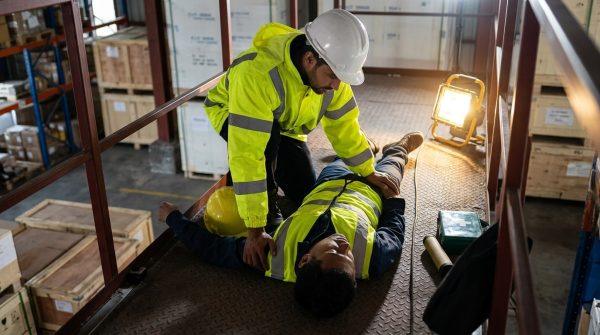
Falls from heights remain the leading cause of construction deaths, accounting for more than 36.4% of all fatalities. Workers on roofs, scaffolding, or elevated platforms often lack proper fall protection—harnesses, guardrails, or safety nets. Heavy machinery and material handling also pose significant risks, as do electrocutions from uninsulated power lines. These dangers are magnified on smaller projects where safety protocols are lax or nonexistent.
“The numbers are stark,” says María González, a safety advocate in Houston. “We’re seeing the same preventable accidents over and over. It’s not about the workers being careless—it’s about employers cutting corners.”
Language barriers compound the problem. Many Latino workers receive safety training only in English, or not at all. Protective equipment often doesn’t fit properly, and workers may fear retaliation if they report hazards. This creates a culture where silence is survival, but at the cost of lives.
Structural failures and the need for reform
State authorities in New York report a high number of construction fatalities, with Latino workers making up the majority of victims. The pattern is clear: safety measures must not depend on a worker’s language or the size of the employer. Health agencies are urging mandatory pre-job inspections, accessible training in Spanish, and anonymous reporting channels that protect workers from retaliation.
“We need a fundamental shift,” says Dr. Elena Ramírez, a public health researcher in Los Angeles. “Safety should be a right, not a privilege. Every worker deserves to go home at the end of the day.”
Some states are taking action. Texas recently raised workers' comp benefits, a step in the right direction, but advocates say more is needed. A new Florida law could cut Miami workers' pay, which would only increase financial pressure and push workers to accept unsafe conditions.
For the Latino community, the stakes are personal. Every death is a father, a brother, a son. The push for reform is not just about statistics—it’s about honoring the dignity of labor and ensuring that the American Dream doesn’t end in a casket.
As the industry grows, so does the urgency. New job hubs like the one in Dallas will bring more workers into the fold, but without systemic change, the death toll will only rise. It’s time for employers, regulators, and communities to come together and make safety the foundation of every job site.