For decades, Washington Heights was the beating heart of Dominican New York. But a quiet, powerful shift has been underway: the Bronx is now home to nearly half of the city's Dominican population, according to new data from the City University of New York. What began as a trickle of families seeking affordable housing has become a full-fledged community transformation, one that is redrawing the cultural and economic map of the northern borough.
The numbers tell a striking story. Dominicans now make up 23.3% of the Bronx's Latino population, surpassing other groups and solidifying the borough as the new epicenter of Dominican life in the city. This isn't just a statistic—it's visible in the rhythm of daily life, from the corner bodegas to the sounds of bachata drifting out of open windows on a warm evening.
Why the Bronx? The Rent Factor
The exodus from Upper Manhattan is no accident. Gentrification and skyrocketing costs have made neighborhoods like Washington Heights and Inwood increasingly unaffordable. Recent reports from the NYC Department of Housing Preservation and Development show that a one-bedroom apartment in Manhattan can easily top $4,700 a month. In the Bronx, the same budget goes much further, with average rents between $2,200 and $3,100—a difference that allows families to secure more space and stability.
This economic pressure has pushed thousands of Dominican families to cross the Harlem River in search of breathing room. And they've brought their culture with them. Neighborhoods like University Heights, Highbridge, Morris Heights, and Fordham are experiencing a commercial renaissance, with new bodegas, bakeries, and beauty salons opening at a steady clip. These businesses aren't just storefronts—they're anchors of identity and community.
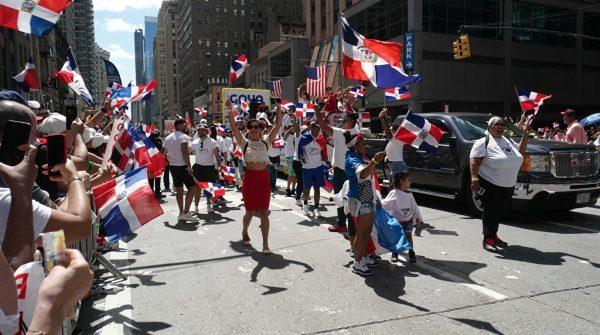
The cultural footprint is unmistakable. During the Gran Parada Dominicana del Bronx, thousands gather under the Dominican flag, honoring figures like KAT and celebrating a heritage that now claims one in eight New Yorkers. The parade is more than a party; it's a declaration that the Bronx is home.
Community leaders see this as a moment of consolidation. The goal is to ensure that growth translates into lasting power—political, economic, and social. That means pushing for affordable housing programs to combat speculation, supporting Dominican candidates for City Council and the State Legislature, and investing in cultural initiatives that keep merengue and bachata alive in schools and public spaces.
There are challenges, of course. The same forces that pushed families out of Manhattan—rising rents, development pressure—are beginning to appear in the Bronx. A recent surge in foreclosures has threatened Latino homeowners, a reminder that stability can be fragile. But the community is organizing, with groups like the Bronx Chamber of Commerce working to strengthen small businesses and protect the neighborhood's character.
The political influence is growing, too. As more Dominicans settle in the Bronx, their voting power grows, and elected officials are taking notice. The city is being forced to rethink how it allocates resources, from schools to social services, to meet the needs of this dynamic population.
For those considering a move to the Bronx, the advice is simple: do your homework. Finding a safe, affordable place is possible, but it requires knowing the neighborhoods. And for those who worry about the future, there's reason for optimism. The Dominican community has a long history of resilience, and the Bronx is proving to be fertile ground for that spirit.
As the borough continues to evolve, one thing is clear: the Dominican presence is not a passing trend. It's a permanent, vibrant part of the Bronx's identity—and New York's. From the music to the food to the politics, the influence is here to stay.