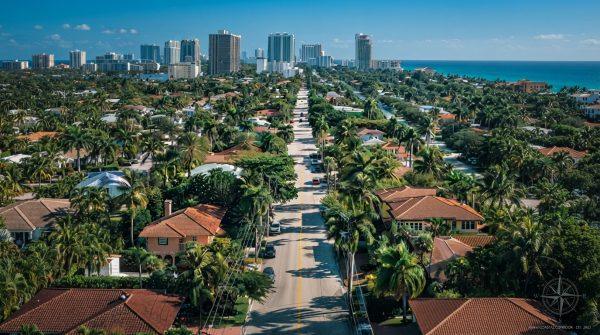
Florida's housing market is undergoing a quiet transformation. While Miami has long been the state's glittering hub, a growing number of buyers are now setting their sights on secondary cities that offer more space, lower prices, and a different pace of life. A 2026 analysis of new construction interest reveals that Lakeland and Cape Coral are emerging as top destinations, with over 80% of home views coming from outside their immediate areas.
This shift is not just about finding a cheaper house. It reflects a deeper desire for a lifestyle that balances work, family, and financial security. For many Latinos, both in Florida and across the diaspora, the appeal of these cities lies in their affordability and the opportunity to build a home without the crushing costs of Miami's real estate market. The median sale price in Lakeland hovers around $315,000, a stark contrast to Miami's nearly $2 million median, making the move a practical choice for families and investors alike.
Why Lakeland and Cape Coral are winning over buyers
Lakeland, located between Tampa and Orlando, has become a magnet for those seeking a central location with access to both coasts. Its historic downtown, lakeside parks, and growing job market are drawing professionals who can work remotely or commute to nearby metros. Cape Coral, on the Gulf Coast, offers a network of canals and a laid-back waterfront lifestyle that appeals to retirees and young families looking for a slower rhythm.
Developers are responding to this demand by offering incentives like closing cost assistance and reduced mortgage rates. These financial sweeteners, combined with the absence of state income tax, make these cities even more attractive. As one local realtor noted, "People are realizing they can get a brand-new home with all the amenities for a fraction of what they'd pay in Miami."
The trend is also fueled by a broader migration from high-cost states like New York, California, and Illinois. Families are trading cramped apartments for spacious homes, and they're finding that their dollars stretch further in places like Port St. Lucie and North Port, where master-planned communities are sprouting up to meet the influx.
Local governments are investing in infrastructure to support this growth, from road expansions to new schools and healthcare facilities. This careful planning ensures that the boom doesn't strain resources, but rather enhances the quality of life for both newcomers and long-time residents. For Latinos who have deep roots in Florida, these cities offer a chance to stay in the state while enjoying a more sustainable cost of living.
Interestingly, this movement comes as some seniors are reconsidering Florida altogether, with many seeking cheaper states for retirement. But for younger buyers and families, the Sunshine State's secondary cities remain a compelling option, especially when compared to the exclusive enclaves of Miami that are out of reach for most.
Experts see this as more than a passing fad. "This is a structural shift," says Maria Fernanda López, a housing analyst at the University of Florida's Shimberg Center. "People are prioritizing space, safety, and long-term affordability over the prestige of living in a major metro. The pandemic normalized remote work, and now families are choosing where they want to be, not just where they have to be."
The result is a golden era for Florida's secondary housing markets. Builders are racing to keep up with demand, and buyers are finding that they can have it all: a modern home, a supportive community, and a financial future that isn't tied to an overvalued property. For Latinos, who often value homeownership as a cornerstone of family stability, these cities represent a path to that dream without the stress of Miami's competitive bidding wars.
As the state continues to evolve, the spotlight may shift from its famous coastline to its inland and Gulf communities. But for now, Lakeland, Cape Coral, and their neighbors are proving that Florida's housing market has more to offer than just Miami's glitz. Whether you're a first-time buyer or looking to downsize, these cities are worth a closer look.