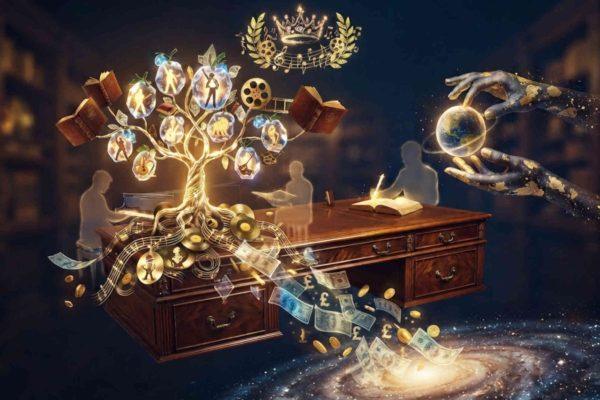
Death may end a career, but for a select group of cultural icons, it only marks the beginning of a new kind of empire. According to Forbes, the highest-paid deceased celebrities collectively earn staggering sums each year, proving that a well-managed legacy can outearn many living stars. From the King of Pop to the King of Rock and Roll, these figures continue to dominate the commercial landscape decades after their passing.
The King of Pop's Eternal Reign
Michael Jackson remains the undisputed leader in posthumous earnings, with revenues that have only grown since his death in 2009. His estate has been a masterclass in monetization: selling a stake in his music catalog to Sony for a reported $750 million, while Broadway productions like MJ the Musical and touring spectacles keep his art in the spotlight. For Latino fans from México to Buenos Aires, Jackson's music remains a soundtrack to countless memories, and his estate knows it.
But Jackson is not alone. The business of dead celebrities spans genres and generations, from rock legends to children's authors. Freddie Mercury's catalog continues to generate millions, especially after the biopic Bohemian Rhapsody reignited global interest. Similarly, Theodor Geisel—better known as Dr. Seuss—earns steadily through book sales and character licensing, proving that creativity can outlive its creator.
Tourism, Biopics, and the Eternal Business
Elvis Presley's Graceland remains a pilgrimage site for fans, drawing hundreds of thousands of visitors annually and fueling a tourism empire that shows no signs of slowing. Bob Marley and Prince have seen their estates boom following documentaries and biopics, introducing their music to new generations. This phenomenon isn't just about nostalgia; it's about strategic rights management and emotional connection.
For Latinos, this trend resonates deeply. Our own icons—like Selena, whose legacy continues to inspire and generate revenue through music and merchandise—demonstrate the same enduring power. The posthumous business is a testament to the lasting impact of art and the savvy of those who steward it.
As the entertainment industry evolves, so do the ways we honor and profit from these legacies. Whether through real estate ventures or new industries, the financial afterlife of celebrities is a fascinating blend of culture and commerce. And for fans, it's a way to keep the music playing and the memories alive.
In the end, these eternal empires are more than just money machines—they're a bridge between generations, a reminder that true artistry never fades. As long as there are fans to listen, watch, and remember, the business of the dead will continue to thrive.