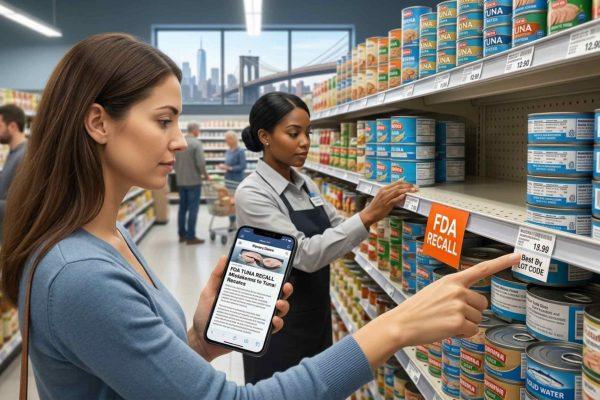
Federal health officials have pulled specific shipments of yellowfin and bigeye tuna from shelves in New York and New Jersey after lab tests found elevated levels of scombrotoxin. The recall, classified as Class II by the FDA, targets wholesale boxes distributed by Buckhead Meat Company, doing business as Trinity Seafood, based in Lakewood, New Jersey. The affected product was packed in bulk containers weighing up to 15 pounds and sent to distributors, restaurants, and grocery outlets across both states.
What is scombrotoxin and why does it matter?
Scombrotoxin is a naturally occurring toxin that forms when certain fish—especially dark-fleshed species like tuna, mackerel, and mahi-mahi—are not kept at proper temperatures after being caught. If the cold chain breaks down during transport or storage, bacteria multiply and convert amino acids in the fish into high levels of histamine. That histamine buildup is what triggers scombroid food poisoning.
Unlike many foodborne illnesses that take hours or days to develop, scombroid poisoning hits fast. Symptoms can appear anywhere from a few minutes to two hours after eating the contaminated fish. People often experience sudden facial flushing, sweating, dizziness, throbbing headaches, hives, and sharp abdominal pain. For most, the discomfort passes within six hours, but severe reactions—like trouble breathing or swelling of the throat—require immediate emergency care.
One of the most dangerous misconceptions about scombroid poisoning is that cooking or freezing the fish makes it safe. That's false. The toxin is heat-stable, meaning standard cooking, frying, or freezing will not break it down. Once histamine has formed, no amount of heat can neutralize it. So if you have recalled tuna in your kitchen, the only safe move is to discard it or return it to the store.
What should consumers and businesses do?
Because the recalled tuna was sold in large wholesale units, the FDA is urging commercial kitchens, catering services, and retail markets to check their inventory records immediately. If any of the affected lots are found, they should be isolated and returned to the distributor. Home cooks who think they may have purchased the fish should check the packaging for the Buckhead Meat Company or Trinity Seafood label and the lot numbers listed in the recall notice.
For those who already ate the fish and feel unwell, health officials advise monitoring symptoms closely. Mild cases usually resolve on their own within a few hours, but anyone experiencing severe allergic-type reactions should seek medical help right away. It's also worth noting that this recall comes on the heels of other food safety alerts, like the recent Danone frozen dessert recall over possible hard objects, so it's a good time to double-check your pantry and fridge.
This incident highlights a broader issue in the seafood supply chain: maintaining an unbroken cold chain from the boat to the plate. For Latino communities in the tri-state area, where fresh fish is a staple in many households—from ceviche in Queens to grilled tuna in Jersey City—this recall is a reminder to buy from trusted sources and stay informed about food safety alerts.
As state inspectors work to contain the affected product, seafood suppliers are re-evaluating their cold storage protocols to prevent similar issues in the future. For now, the FDA's recall database is the best resource for checking specific lot numbers and staying updated on any expansions of the recall.
If you're a restaurant owner or a home cook who regularly buys wholesale fish, it's worth reviewing your purchasing records and making sure your suppliers are following proper temperature controls. And if you're a consumer who recently bought tuna from a store in New York or New Jersey, don't hesitate to check the label—your health is worth the extra minute.
For more on how food recalls and other issues affect our communities, you might also be interested in New Jersey's ANCHOR relief program for homeowners and renters, or how El Niño is reshaping winter weather across the country. Stay safe, stay informed, and always check your fish.