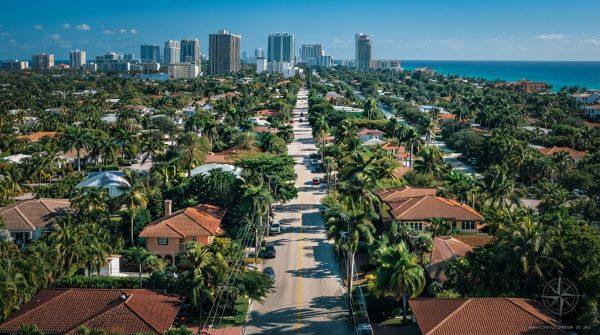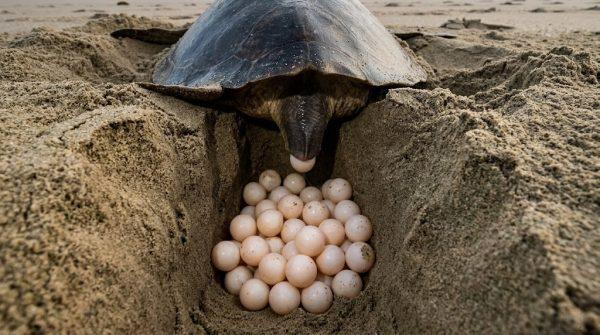
In a quiet stretch of sand along San Buenaventura State Beach in Ventura County, a female olive ridley sea turtle has done something no one expected: she laid her eggs farther north than any sea turtle nest ever recorded on the US West Coast. The discovery, confirmed on November 1 by the U.S. Fish and Wildlife Service, shifts the known breeding boundary of Lepidochelys olivacea more than 700 miles north of its previous limit in Baja California Sur, Mexico.
Local beachgoers spotted the crawl tracks near the promenade and quickly alerted state park rangers. Among them was a young woman who stumbled upon the nest on November 3. She told local outlets she was in disbelief and urged officials to keep the hatchlings safe. Her call was heard: state environmental teams have since enclosed the nesting perimeter with protective fencing to shield the clutch throughout its 45-to-60-day incubation period.
A historic nest, a changing ocean
This is the third natural olive ridley nesting event on the California coast this season, following nests at Surfside on September 16 and Huntington Beach on September 19. But this one is different. The Ventura site sits between the tide line and the boardwalk near Ventura Pier, a location that would have been unthinkable for sea turtle nesting just a few years ago.
Marine biologists point to elevated ocean temperatures as the driving force. Intense El Niño conditions have pushed coastal waters off Southern California into the upper 60s and low 70s Fahrenheit—temperatures typical of tropical nesting grounds during the July-to-December season. As El Niño's Kelvin wave continues to influence the region, researchers are updating distribution maps and asking whether these events are temporary anomalies or signs of a permanent shift in marine migration routes.
“We’re seeing a species respond to a changing ocean in real time,” said a marine biologist familiar with the monitoring effort. “It’s a reminder that the Pacific is not static, and neither are the creatures that depend on it.”
Protecting the nest, learning from the past
Federal and state authorities have decided to leave the Ventura nest in place rather than relocate it, a departure from an earlier intervention in September when over 200 eggs were moved to the Aquarium of the Pacific in Long Beach due to extreme high tides. This time, field researchers are maintaining round-the-clock observation, balancing the need to protect the eggs with the desire to let nature take its course.
The olive ridley is listed as threatened under the U.S. Endangered Species Act, while Pacific coast populations in Mexico remain endangered. Its primary nesting grounds stretch across tropical beaches in Mexico, Nicaragua, Costa Rica, and Panama—places where the species has long been a cultural and ecological touchstone. For many in the Latino community, the sea turtle’s northward journey resonates as a story of adaptation and resilience, much like the migrations that have shaped the Americas.
As the eggs incubate in the warm sand, scientists and locals alike are watching closely. The hatchlings, if they emerge, will face a Pacific that is warmer and more unpredictable than ever. But for now, this small stretch of California beach has become a symbol of how life finds a way—even in places we never thought to look.
For those interested in the broader context of coastal changes, the recent surf threats and dune restoration efforts highlight the delicate balance of California’s shoreline. And as the state grapples with these environmental shifts, the story of the sea turtle serves as a powerful reminder of the interconnectedness of all Pacific life.