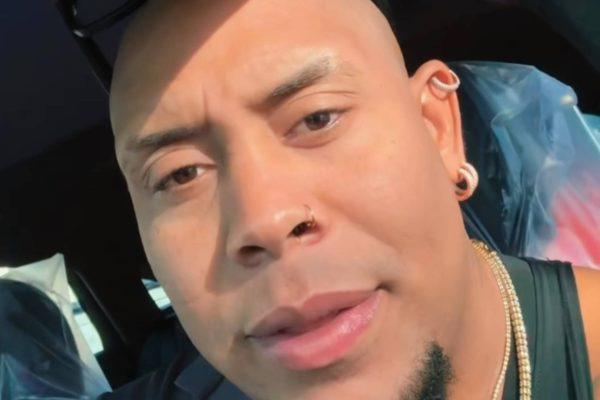
When you hear the infectious beat of Dame Hombro, the collaboration between Dominican rapper Bulin 47 and Colombian singer Kevin Wai, it’s easy to get lost in the rhythm. But behind the viral success lies a story of resilience that’s as compelling as the track itself. Hacel Teodoro Vargas—known to the world as Bulin 47—has opened up about the hardships that defined his early life and the philosophy that now guides his career.
Born in the Capotillo neighborhood of Santo Domingo, Bulin 47’s childhood was marked by a profound sense of abandonment. His biological mother left him in the care of his father and stepmother, Mercedes, when he was very young. In interviews, the artist has spoken with deep affection about Mercedes, calling her his true mother for the unconditional love she gave him. That early experience of being left behind, he says, taught him the value of loyalty and the importance of choosing who you call family.
Tragedy struck again when he was just 12 years old: his father passed away. Suddenly, the young boy had to navigate adolescence without the two people who had anchored his world. Yet instead of bitterness, Bulin 47 chose forgiveness. He has publicly stated that he holds no resentment toward his biological mother, and that this capacity to forgive has become a cornerstone of his character. It’s a lesson he carries into his music and his interactions with fans.
From motel rooms to the top of the charts
The road to fame was anything but smooth. Before Dame Hombro exploded on streaming platforms, Bulin 47 faced a devastating betrayal by a former manager who mishandled his finances, leaving him with little more than the clothes on his back. For a time, he was sleeping in motels, uncertain of his next move. But his faith and his discipline—honed during his early days performing in local barbershops—kept him going.
His turning point came when he met his partner, Nadia Félix, who now manages his business affairs. Together, they’ve built a system to protect his earnings from future fraud, allowing him to provide a stable home for his three daughters. That strategic partnership, combined with his relentless work ethic, turned a moment of crisis into a launchpad for success.
Today, Dame Hombro is one of the most-played songs across Latin America and the United States, a testament to the chemistry between Bulin 47 and Kevin Wai. The track’s success has opened doors, but the artist remains grounded. He still remembers the barbershops of Capotillo, where he first tested his rhymes, and he credits those humble beginnings for keeping his ego in check.
Giving back: The other side of the star
What sets Bulin 47 apart from many of his peers is his commitment to generosity. He has revealed that he donates between 20% and 30% of his performance earnings to vulnerable people in his community. This isn’t a publicity stunt; it’s a practice he’s maintained since before the fame. Whether it’s helping families in Santo Domingo or supporting young artists trying to break into the industry, he sees it as a way to honor the people who helped him along the way.
His philanthropy is matched by his musical versatility. Bulin 47 is also a skilled guitarist, a talent that adds depth to his urban sound. He’s not just a one-hit wonder; he’s an artist who draws from a rich musical heritage, blending dembow, reggaeton, and traditional rhythms into something fresh.
In a genre often associated with excess, Bulin 47’s story is a reminder that authenticity still resonates. His journey from a boy abandoned in Capotillo to a chart-topping artist with a heart for his community is an inspiration for many young Latinos, both in the Dominican Republic and across the diaspora. As he continues to rise, he carries with him the lessons of his past—and a promise to never forget where he came from.
For more stories of Latino artists overcoming adversity, check out how Becky G turned identity doubts into strength or the story behind Aria Vega's fiancé. And if you’re curious about the cultural traditions that shape our communities, explore these surprising details about Día de los Muertos ofrendas.