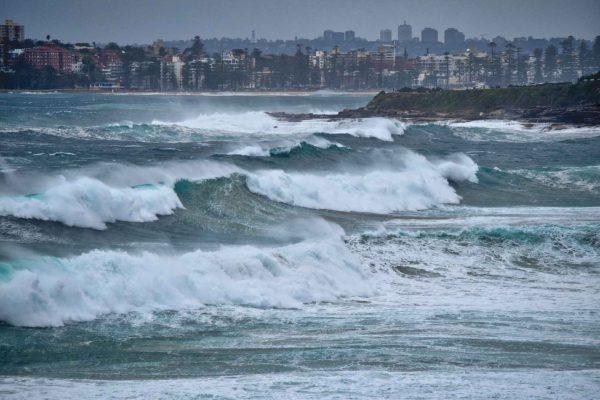
Newport Beach officials have declared a local emergency after the ocean surged over the Balboa Peninsula for the second time in two weeks, flooding homes, businesses, and streets with record-high water levels. The combination of seasonal king tides and a Kelvin wave—a large oceanic disturbance that travels along the coast—pushed water nearly four centimeters above previous records, overwhelming drainage systems and turning the popular Fun Zone tourist district into a shallow lake.
Historic swells hit the heart of Balboa
On Monday morning, water breached seawalls and poured into ground-floor residences and commercial spaces along Balboa Boulevard. Longtime business owners described how streets became standing lakes within half an hour, forcing many to sweep seawater out of their living rooms and storefronts. Despite sandbagging efforts near ferry landings, the force of the waves compromised barriers, leaving multi-story homes with significant lower-level damage.
“We’ve seen high tides before, but nothing like this,” said a local shopkeeper who asked not to be named. “The water came in so fast we barely had time to move our inventory.”
The flooding is part of a broader pattern of coastal erosion and sea-level rise affecting California’s shoreline. As California’s beaches face an uncertain future, communities like Newport Beach are on the front lines of adapting to a changing ocean.
Emergency sand barriers and heavy machinery
In response, city crews deployed bulldozers and brought in over a hundred truckloads of sand to construct elevated berms near high-risk zones like The Wedge, a famous surf break. These temporary barriers are designed to intercept incoming wave surges before they reach commercial streets. Officials project water levels could rise another five centimeters in upcoming morning tides, prompting the urgent earthmoving operations.
“We’re doing everything we can to protect our community,” said a city spokesperson. “But these are stopgap measures. We need long-term solutions.”
The emergency declaration allows Newport Beach to access state and federal resources, expedite permits, and coordinate with regional agencies. Similar efforts are underway in other coastal areas, as king tides turn streets into canals in South Florida, highlighting a nationwide challenge.
Long-term outlook: monitoring and seawall upgrades
Municipal officials caution that elevated tidal conditions could persist periodically through early 2027, requiring continuous monitoring across low-lying peninsular sectors. While sand berms offer immediate relief, community leaders and business owners emphasize the need for structural seawall enhancements to permanently protect coastal infrastructure from escalating marine hazards.
“We can’t keep building sandcastles forever,” said a representative of the Balboa Peninsula Neighborhood Association. “We need real investment in our coastline.”
For Latino residents and business owners in the area—many of whom have deep roots in the community—the flooding is both a personal and economic threat. The disruption comes amid broader concerns about housing stability, as seen in eviction fights in South LA that threaten Latino families’ homes. As the ocean creeps higher, the question of who can afford to stay on the coast becomes more urgent.
Meanwhile, the city is exploring long-term options, including raising seawalls, restoring wetlands, and implementing nature-based solutions. But for now, residents are left to watch the tide, hoping the next high water doesn’t break through again.