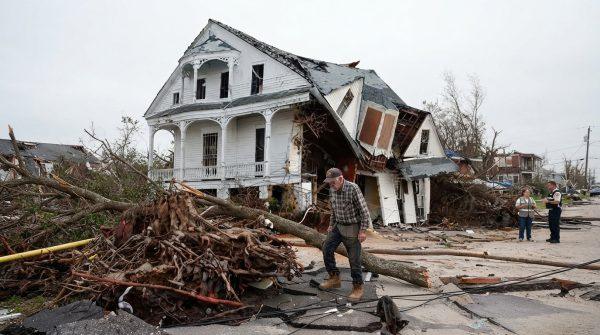
After severe storms battered south central Texas in August, the federal government has approved disaster assistance for affected communities. Governor Greg Abbott announced the declaration on September 14, 2026, opening the door for residents in counties like Bexar, Atascosa, and Bandera to apply for low-interest loans through the Small Business Administration (SBA).
These loans are designed to help homeowners, renters, and local businesses recover without the immediate financial strain of paying out of pocket for repairs. For many Latino families in the region—who often bear the brunt of extreme weather—this support can be a lifeline to rebuild and stay in their communities.
Who qualifies and what’s covered
Eligibility is tied to living in one of the designated counties and documenting storm-related damage. Homeowners can borrow up to $500,000 for structural repairs, while renters can access funds to replace personal belongings. Local businesses and nonprofits may secure up to $2 million to cover machinery, inventory, and commercial real estate damage.
“This is about making sure every family and every small business has a real chance to recover,” said a spokesperson for the SBA’s disaster assistance program. “We encourage everyone to review the guidelines and apply before the deadlines.”
Applicants don’t have to accept the loan if approved—they can decide after the financial evaluation. The process is handled through secure federal portals, and privacy is protected under strict regulations.
How to apply and key deadlines
Applications are being accepted online through the SBA’s disaster portal, and physical assistance centers are available for those who prefer in-person help. Multilingual support is offered, ensuring that Spanish-speaking residents can navigate the process without language barriers.
Two important deadlines loom: physical damage applications must be submitted by November 9, 2026, while economic injury applications—for businesses that suffered revenue losses—are due by June 10, 2027. Local officials are urging residents to act promptly and keep their contact information updated on the portal to receive notifications.
For those who missed the earlier storm food replacement deadline, this loan program offers another avenue for recovery. And as communities rebuild, some are also looking at broader infrastructure needs, like the proposed Texas-to-Georgia interstate that could ease future evacuation routes.
While the focus is on recovery, the storms have also highlighted ongoing environmental concerns, such as the red tide alerts on Galveston and Bolivar beaches that followed the rains. For now, the priority is helping families and businesses get back on their feet.
Local community groups are spreading the word about these loans, especially in Latino neighborhoods where access to information can be a barrier. “We’re making sure no one is left behind,” said a volunteer with a San Antonio-based aid organization. “If you have damage, apply. It’s free to apply, and you don’t have to take the loan if you don’t want it.”
With the autumn deadlines approaching, officials stress that time is of the essence. Residents are encouraged to gather documentation—photos, receipts, and insurance claims—and submit their applications as soon as possible. The road to recovery is long, but these loans offer a practical step forward for thousands of Texas families.